Entertainment news and discussion on TalkFuse.
Over 40 Years Later, Horror Still Hasn’t Topped This Movie’s Perfect Ending
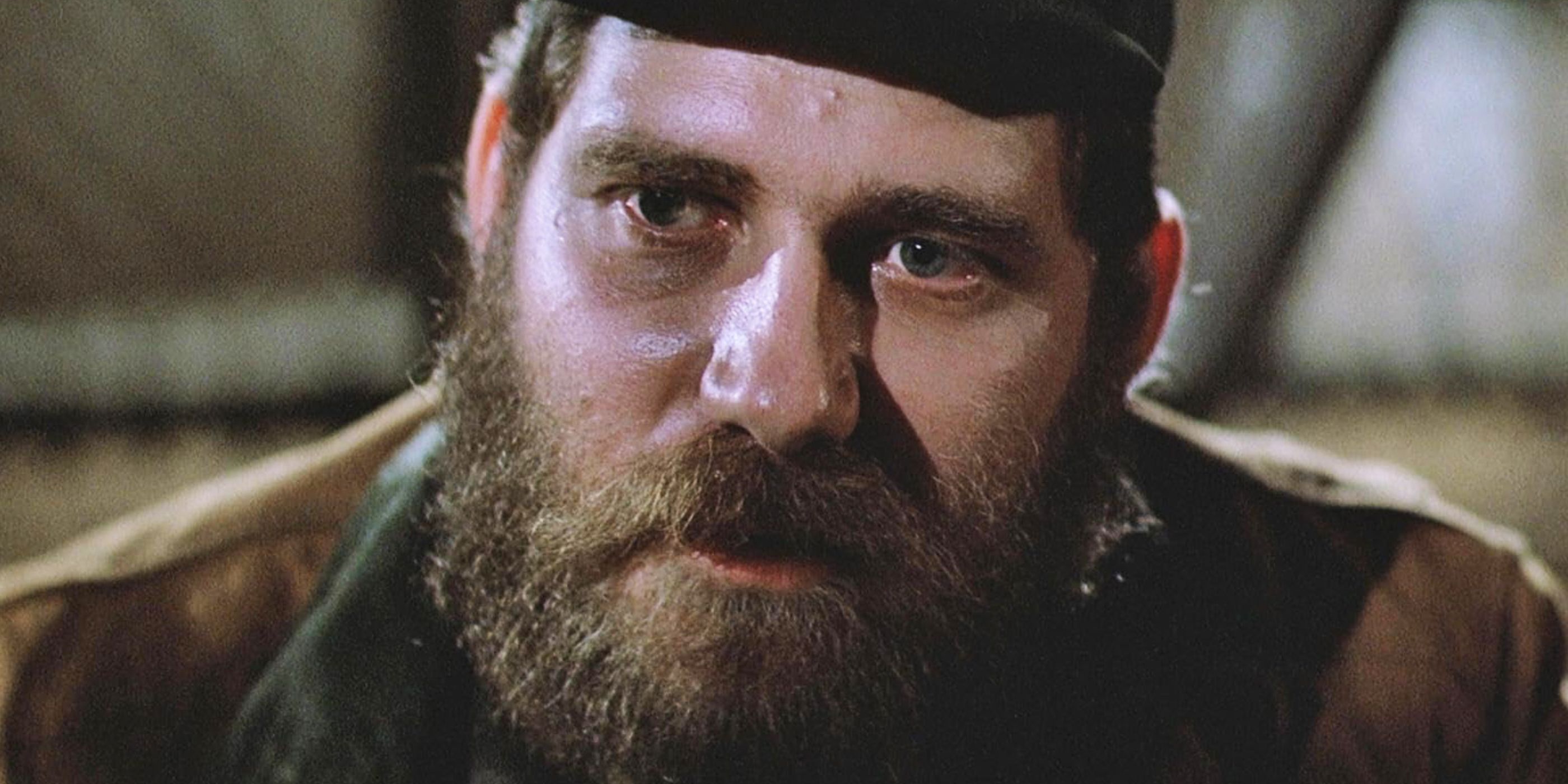
An article marking over 40 years since John Carpenter's *The Thing* was released argues that the 1982 sci-fi horror film still has the finest ending in the genre, one that no subsequent horror movie has managed to surpass. Rather than offering a neat resolution, the film closes on unresolved ambiguity, deliberately denying audiences the closure and answers most horror endings provide, which the piece credits as the source of its lasting power.
The film's finale sees only two survivors, R.J. MacReady (Kurt Russell) and Childs (Keith David), left amid the wreckage of Outpost 31, unsure whether the shape-shifting alien has truly been destroyed or is hiding inside one of them. The two share a bottle of whiskey and simply wait, with Carpenter cutting to black before revealing any answer. The article notes that this uncertainty has fuelled more than 40 years of fan debate over which character, if either, is infected, extending to close analysis of details such as the whiskey bottle, the men's visible breath and the lighting, and argues the film's real subject was always the corrosive paranoia caused by not knowing who to trust, rather than the monster itself.
In short
- Article says *The Thing* (1982) still has horror's best-ever ending.
- Ambiguous finale leaves unclear whether MacReady or Childs is infected.
- Deliberate lack of resolution has fuelled over 40 years of fan debate.
Steelman: both sides, in good faith
The strongest fair case each way — we don't pick a winner.
The case for
The ending's refusal of closure is precisely what makes it perfect. By leaving MacReady and Childs' true status unknown, Carpenter enshrines the film's thematic core: paranoia cannot be resolved, only endured. The ambiguity forces audiences to inhabit the characters' unease indefinitely, transforming a single viewing into four decades of engaged interpretation, which is the hallmark of artistically mature filmmaking that trusts viewers to sit with discomfort rather than offering false reassurance.
The case against
Whilst the ambiguous ending is undeniably memorable, memorability and sustained debate do not automatically constitute perfection. A perfect horror ending should balance artistic coherence with some form of narrative or emotional resolution, whether tragic, pyrrhic, or otherwise, rather than leaving audiences perpetually uncertain. One can appreciate the thematic sophistication of refusing closure whilst recognising that other horror films have achieved equal or greater artistic success through different concluding approaches that satisfy both ambition and viewer investment.
Explained simply
John Carpenter's The Thing, released in 1982, is a science fiction horror film set at an Antarctic research outpost. The story centres on a group of researchers who must identify and survive encounters with an alien creature capable of perfectly imitating any living thing.
The film ends ambiguously, with two survivors sitting together as the outpost burns, uncertain whether one of them has been infected by the alien. Rather than revealing the answer, the film cuts to black, leaving audiences without resolution.
This unresolved ending has led to four decades of fan debate and analysis, with audiences examining details such as visible breath, the whiskey bottle and lighting in attempts to determine what actually happened. The film's emphasis on paranoia and distrust, rather than on defeating a clear external threat, has kept the story in discussion long after its release.