Everything Christopher Nolan’s ‘The Odyssey’ Changed From the Original Story
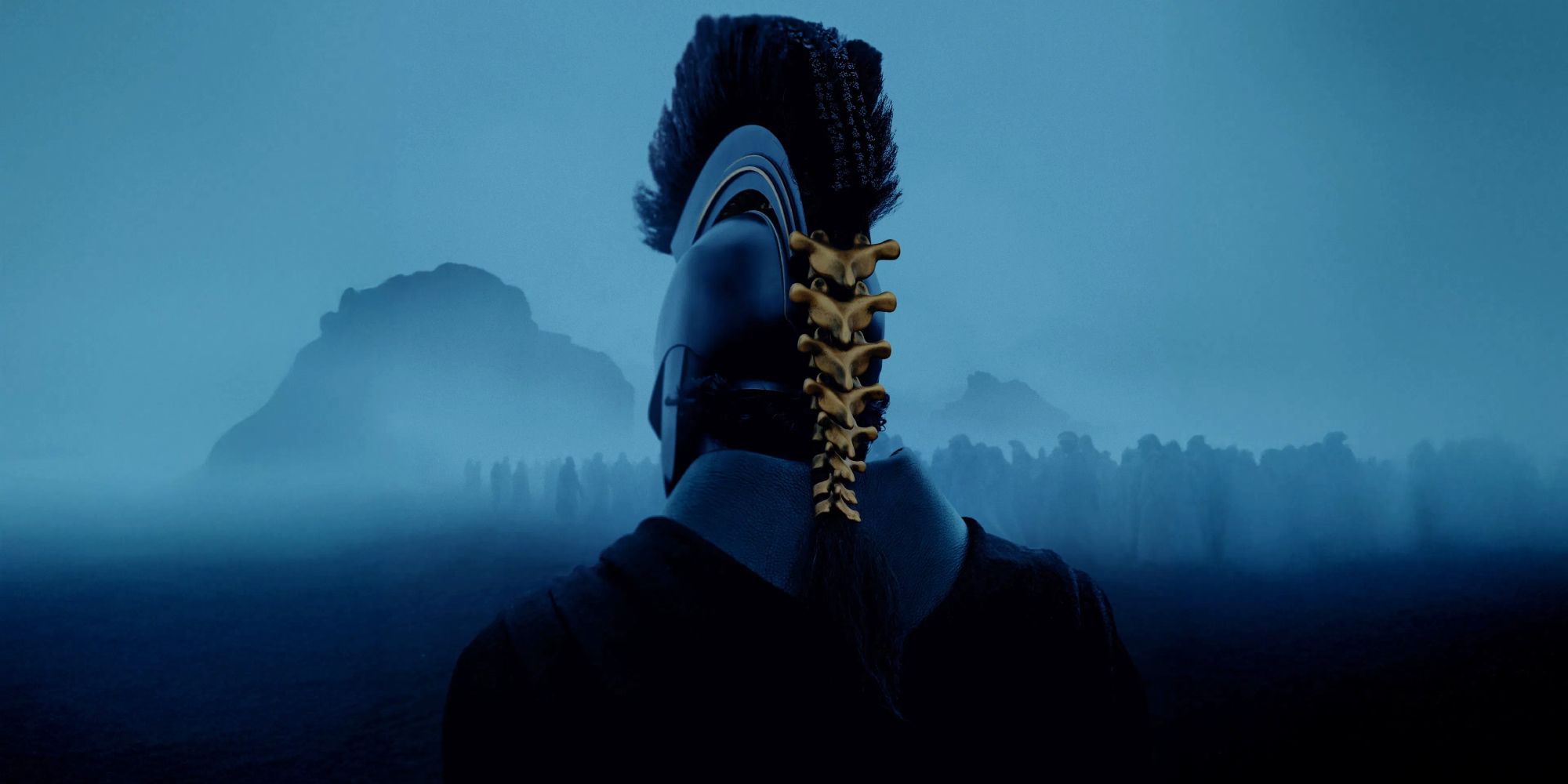
The Odyssey has survived nearly three millennia with murky origins—scholars debate Homer's identity and whether he compiled or invented the stories, whilst different historical translations emphasise varying elements of the narrative. This historical layering creates inherent challenges for any modern filmmaker attempting to adapt the work, since multiple versions exist and the oldest source material predates documented authorship claims.
Nolan's 2026 film makes substantial revisions to established plot points, most notably the Cyclops sequence. Whereas the original text features Odysseus engaging Polyphemus in verbal sparring and executing the famous "Nobody" trick—a clever wordplay gambit where he claims his name is "Nobody" so the creature unwittingly tells others that "Nobody" blinded him—Nolan's version removes the dialogue entirely. Instead, Odysseus and his crew simply antagonise the creature and belatedly discover it can speak, prioritising physical action over intellectual cunning.
- Nolan's 2026 Odyssey adaptation significantly departs from Homer's ancient epic, with documented changes to recognizable scenes
- The Cyclops encounter omits the source material's clever 'Nobody' wordplay, replacing intellectual wit with direct antagonism
- Multiple translations and uncertain authorship of the 3000-year-old text complicate determining all adaptation differences