WNBA coach predictably bends the knee to the fake outrage mob over Angel Reese’s racism claim
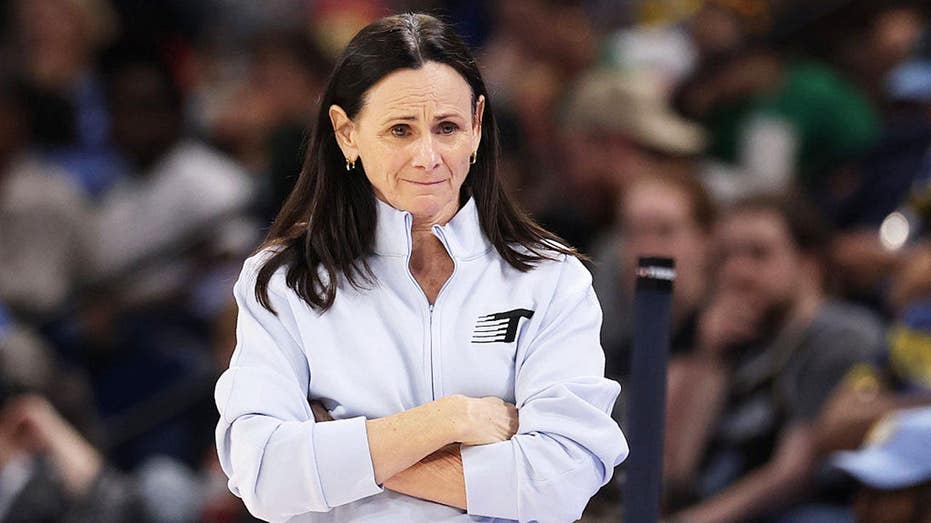
Toronto Tempo head coach Sandy Brondello apologised to Chicago Sky forward Angel Reese after being accused of using a racist term during a WNBA game on Friday. The Fox News/OutKick opinion piece frames the apology as capitulation to what it calls a "fake outrage mob", arguing Reese's accusation was unfounded and that Brondello should not have backed down.
The incident occurred late in the fourth quarter of Atlanta's 111-92 win, when Reese collided with Tempo forward Nyara Sabally, reportedly prompting Brondello to say something to Reese that was then characterised online as racist. The article, written from a strongly opinionated sports commentary perspective, criticises both Reese for what it calls peddling a "racist conspiracy theory" and Brondello for apologising rather than contesting the claim, though it does not detail the exact words Brondello used or provide her side of events beyond the apology.
- Tempo coach Sandy Brondello apologised to Angel Reese over a racism claim.
- Incident followed a collision between Reese and Nyara Sabally in Friday's game.
- Article criticises the apology as caving to unwarranted online outrage.
Both sides, in good faith
The strongest fair case each way — we don't pick a winner.
The case for
Those who see genuine cause for concern argue that a coach's frustration over officiating decisions was expressed using language with troubling racial undertones, given the fraught history of language framing black women athletes as receiving unearned special treatment. They contend that intent does not erase impact, and that public figures in a league increasingly built around its black stars should be held to a high standard of care in how they discuss player treatment, especially when comments are caught on a hot mic rather than carefully worded. For them, taking the criticism seriously and prompting reflection or an apology is a reasonable and proportionate response, not an overreaction.
The case against
Those who view the reaction as overblown argue that "protected species" is a common sporting idiom used across many contexts to describe any official's perceived favouritism toward a star player, regardless of race, and that reading a racial motive into an offhand remark about foul calls stretches the comment well beyond its evident meaning. They value giving people the benefit of the doubt in ambiguous, unscripted moments, and worry that treating every such comment as presumptively racist chills honest sports commentary and pressures coaches into performative contrition for grievances that were never really about race in the first place.