Culture news and discussion on TalkFuse.
‘Keep a low profile’: State Department warns Americans overseas they could be targeted
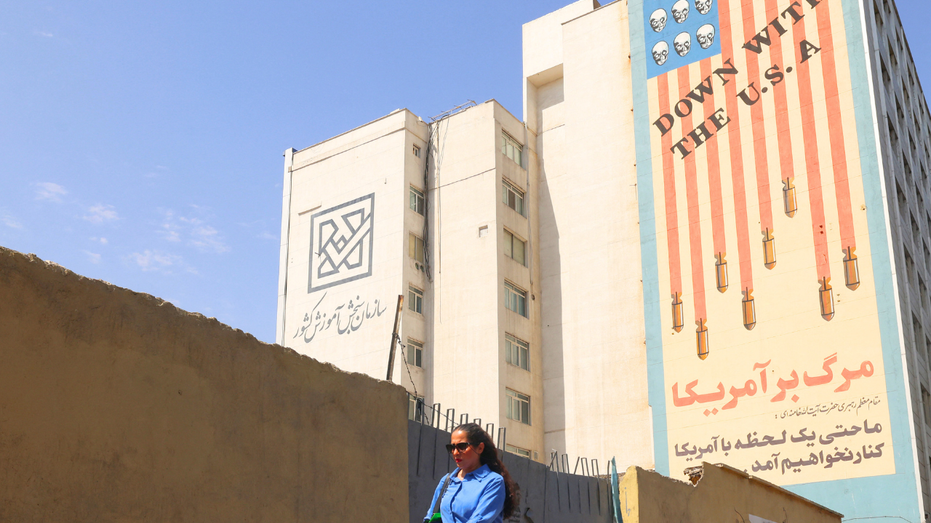
The US State Department reissued a worldwide caution alert on Saturday, warning American citizens travelling or living abroad that they could be targeted amid escalating tensions with Iran. Officials fear that Iran or groups aligned with it could retaliate against US citizens, personnel and interests well beyond the Middle East, prompting the advisory urging Americans overseas to be more vigilant about their personal safety.
The alert follows a period of heightened conflict, including US strikes on Iranian military and nuclear-linked targets and Iranian missile attacks that killed American service members in Jordan. The State Department has advised Americans abroad to keep a low profile, stay alert to their surroundings and monitor local media for updates, reflecting concern that the fallout from the confrontation with Iran could extend to US citizens and facilities in other countries.
In short
- State Department renews worldwide caution alert for Americans abroad.
- Officials fear Iran-linked retaliation against US citizens overseas.
- Advisory urges Americans to keep a low profile and stay alert.
Steelman: both sides, in good faith
The strongest fair case each way — we don't pick a winner.
The case for
The State Department has a responsibility to ensure American citizens abroad can take prudent steps to protect themselves. Given explicit Iranian threats of retaliation following US military strikes, and given that Iranian-aligned groups have demonstrated capability to strike US targets globally rather than regionally, issuing a worldwide caution is a proportionate and necessary duty of care that enables Americans to maintain situational awareness without imposing unreasonable burdens.
The case against
Broad worldwide caution alerts can become counterproductive, potentially undermining diplomatic de-escalation efforts and feeding cycles of escalation rhetoric. If the actual assessed risk to American civilians globally remains relatively limited, such blanket warnings may constitute an overresponse that unnecessarily alarms millions of expatriates and damages American credibility and soft power. More calibrated regional advisories for genuinely high-threat areas, paired with diplomatic efforts to reduce tensions, would be more proportionate than worldwide alerts.
Explained simply
The United States and Iran have been in conflict for many decades, but the situation has become significantly more dangerous in recent months. The two countries are at odds over Iran's nuclear programme, Iranian influence in the Middle East, and Iran's support for armed groups across the region.
Tensions spiked after the United States conducted military strikes against Iranian military targets and facilities linked to Iran's nuclear programme. Iran then responded by launching missile attacks that killed American military personnel stationed in Jordan, leading to a tense cycle of military retaliation between the two sides.
US officials are now concerned that this conflict could extend beyond military operations between the two countries. They fear Iran, or armed groups aligned with Iran, might target American civilians, diplomats and facilities elsewhere in the world as part of a broader retaliation campaign.
Art Culture Middle East Travel World