Craft and keyboard: The trainees mastering tech and age-old skills
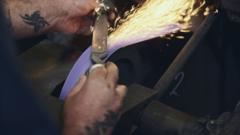
Apprenticeships in engineering and manufacturing trades are increasingly blending traditional hands-on craft with digital technologies such as computer-aided design (CAD), 3D printing and CNC programming, as employers argue this produces more capable technicians than those trained purely on mainstream, computer-driven diagnostics. Ollie Priestley, 29, is training as a "heritage vehicle technician" at classic car restoration firm Tolman, learning to fabricate parts and understand electronic control units so he can diagnose and creatively solve problems rather than simply swapping parts flagged by a computer, as founder Chris Tolman says is increasingly the case at mainstream dealerships.
Priestley's three-year, level three apprenticeship is run through the Heritage Skills Academy (HSA) in Bicester, introduced in 2018 to combine digital skills with traditional techniques such as welding and glazing, replacing the earlier "classic vehicle framework" qualification. Government data shows people starting level two intermediate apprenticeships have fallen by nearly a quarter over the past year as more opt for higher-level apprenticeships (levels four to seven, equivalent to bachelor's and master's degrees), while level three numbers have held steady. HSA's John Pitchforth and FourJaw Manufacturing Analytics chief executive Chris Iveson both argue that combining practical making skills with digital and data literacy produces more rounded engineers than those who rely solely on computer diagnostics.
- Apprenticeships now combine traditional craft skills with CAD, 3D printing and coding.
- Level two apprenticeship starts fell nearly 25% as higher-level ones grow.
- Trainers say blending tech with fundamentals produces stronger, more adaptable engineers.