What is the US-Saudi Arabia nuclear deal and why is it causing concern?
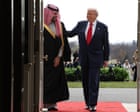
The US and Saudi Arabia have signed a landmark 30-year deal to develop a civilian nuclear power programme in the kingdom using American technology, a move intended to help Saudi Arabia diversify its energy use while keeping Chinese and Russian firms out of its nuclear sector. The agreement has alarmed nonproliferation experts and some in Washington, as it could eventually allow Saudi Arabia to enrich uranium domestically, a capability that could theoretically be diverted towards building a nuclear weapon.
The deal, described by US energy secretary Chris Wright as meeting Saudi Arabia's "energy needs", is thought to be worth tens of billions of dollars and revives cooperation first floated under the Biden administration, though without the previous condition of Saudi normalisation with Israel, which stalled after the 7 October Hamas attack and the Gaza war. Domestic enrichment would depend on a two-year joint US-Saudi study, meaning the decision may fall to Trump's successor, while Washington says it would retain oversight of enriched uranium and spent fuel to prevent weapons use. Critics point to Saudi statements that it would seek a bomb if regional rival Iran obtained one, and note the irony given the US is currently at war with Iran partly to stop it enriching uranium to weapons-grade level; Secretary of State Marco Rubio has dismissed such concerns.
- US and Saudi Arabia sign 30-year civilian nuclear cooperation deal
- Deal could eventually allow Saudi domestic uranium enrichment, pending a study
- Critics fear it may fuel nuclear proliferation and a regional arms race