Saudi Arabia and Houthis exchange fire as US attacks tanker in Hormuz Strait
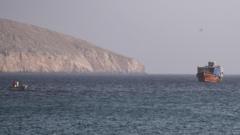
Saudi Arabia and Yemen’s Houthi movement exchanged attacks after the Houthis announced a maritime blockade and struck Saudi vessels. Saudi airstrikes targeted Houthi positions in Hodeida and Kamaran Island, while the Houthis said they had launched a missile attack on Jizan; the escalation adds to wider regional conflict and risks to vital shipping routes.
Separately, US forces disabled a tanker in the Gulf of Oman after it allegedly tried repeatedly to breach the US blockade of Iranian ports, the second commercial ship stopped this month. The US and Iran have exchanged fire for nearly two weeks, while Oman has begun talks in Tehran over the Strait of Hormuz. Fears over threats to shipping pushed oil above $100 a barrel this week, though Brent later fell to just over $96.
- Saudi Arabia and Houthis exchanged strikes amid a maritime blockade.
- US forces disabled a tanker near the Strait of Hormuz.
- Regional conflict is increasing pressure on shipping and oil markets.
Both sides, in good faith
The strongest fair case each way — we don't pick a winner.
The case for
Saudi Arabia and the United States can argue that they are acting to defend their territory, personnel and freedom of navigation after Houthi attacks on Saudi vessels and alleged attempts to evade a blockade. From this perspective, limited strikes on military positions and intervention against a tanker are intended to deter further attacks, protect a crucial international trade route and prevent regional armed groups or Iran from using commercial shipping as leverage. Supporters would stress that failure to respond could invite more dangerous escalation and economic harm worldwide.
The case against
The Houthis and critics of the Saudi-US response can argue that military retaliation, blockades and disabling commercial vessels risk widening an already volatile conflict while placing civilian seafarers and regional populations in greater danger. They may contend that attacks around ports, islands and shipping lanes can disrupt essential supplies, raise energy costs and undermine the sovereignty of states caught between larger powers. Supporters of this view would prioritise immediate de-escalation, diplomatic mediation through Oman and safeguards for civilian shipping over actions that could turn maritime confrontation into a broader war.