Pentagon to Rename Charleston Base After Late Sen. Lindsey Graham
Developed over time first seen 2 months ago
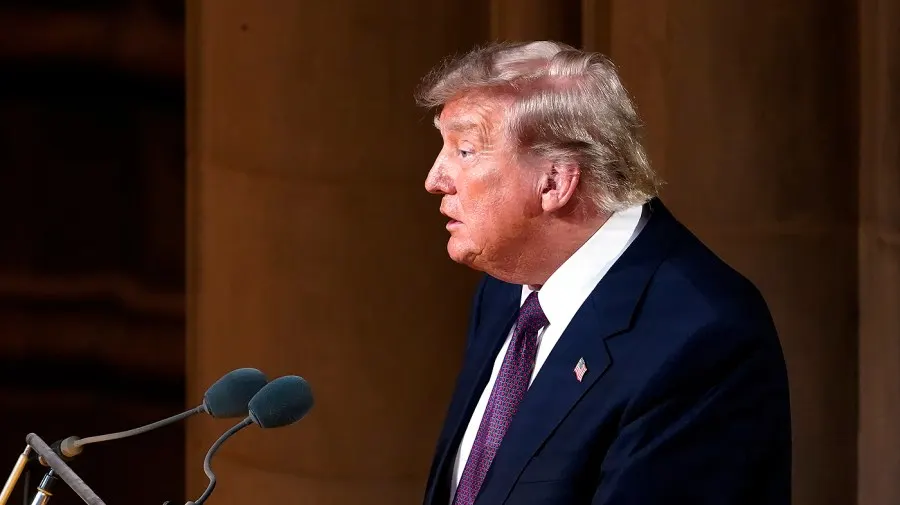
President Trump delivered a eulogy for the late Senator Lindsey Graham, celebrating him as a "giant of the United States Senate" and honouring their friendship, as well as Graham's long record of service to Congress and the nation. The tribute underscores the significant impact the South Carolina Republican had during his Senate career, where he was respected across political circles as a distinguished statesman.
In a formal recognition of Graham's legacy, the Pentagon has announced plans to rename a South Carolina military base in his honour, citing his decades of service to both Congress and the armed forces. Air Force Secretary Troy Meink issued an internal directive on 27 July instructing staff to coordinate the renaming effort with Air Mobility Command and Joint Base Charleston, honouring Graham's background as an Air Force veteran.
- Trump delivers eulogy for late Sen. Graham, calling him a "giant" of the Senate and celebrating their friendship
- Pentagon to rename South Carolina military base after Graham in recognition of his decades of service to Congress and the armed forces
- Graham was an Air Force veteran whose legacy is being formally honoured by both political and military leadership
New here? Start with this
Trump's eulogy for Senator Lindsey Graham has been followed by a decision from the Pentagon to rename a military base in South Carolina after him. Graham, a Republican, represented South Carolina in the US Senate for many years and was widely seen as one of its most influential members, known for his close relationship with Trump in recent years.
The base in question is linked to Joint Base Charleston, and the renaming is being organised through Air Mobility Command, part of the US Air Force. Graham himself served in the Air Force, including in its reserve component, which is part of why officials cite his military background alongside his political career as grounds for the honour.
Renaming military bases after individuals is a formal process usually reserved for significant figures with a strong connection to the base or armed forces, and it typically follows their death as a mark of lasting recognition. Air Force Secretary Troy Meink's directive on 27 July set the renaming process in motion, though further details on timing and the base's new name are still to be confirmed.
Both sides, in good faith
The strongest fair case each way — we don't pick a winner.
The case for
Supporters see this as a fitting tribute to a South Carolinian who spent decades in uniform and in the Senate championing the armed forces, veterans' welfare and a robust national defence posture. They argue that honouring a home-state Air Force veteran with a base renaming recognises genuine, sustained service rather than fleeting political favour, and that such gestures help preserve institutional memory of individuals who shaped military policy for the better. To them, the timing so soon after his death reflects the sincerity of the tribute rather than any ulterior motive.
The case against
Sceptics worry that naming a military installation after a recently serving, highly partisan political figure risks entangling the armed forces in politics in a way that traditionally reserved, more distanced honours avoid. They note that Graham remained a divisive figure to many Americans, and that renaming decisions made swiftly by political appointees, without the deliberative process or broader consultation seen in past renamings, could set a precedent for politically driven military honours rather than ones reflecting broad, lasting national consensus.
Coverage
- The Hill — Trump remembers Graham as ‘giant of the Senate’ in eulogy
- The Hill — Pentagon to rename Charleston base for Graham: Report