James Bond’s Biggest Book Change Completely Transforms the Story
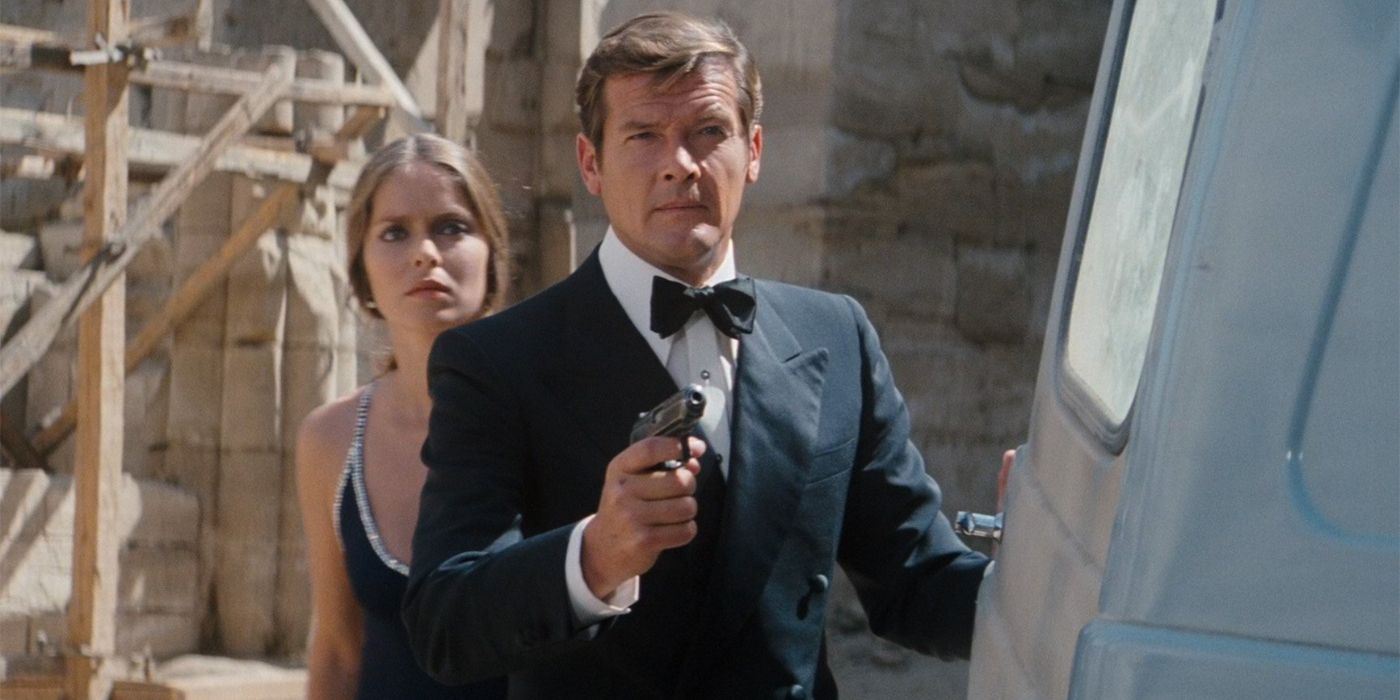
Ian Fleming's The Spy Who Loved Me stands as the most dramatically altered source material in the Bond film franchise, sharing virtually only its title with the 1977 Roger Moore adaptation. When Fleming sold the film rights, he restrictively permitted producers to use the novel's name but nothing else—no plot elements, characters, or narrative structure. This unusual contractual constraint reflected Fleming's own disillusionment with the book, which he later acknowledged as a creative failure.
The novel itself was a structural experiment that departed radically from Fleming's other Bond works, narrated almost entirely through the perspective of a Canadian woman whose romantic troubles unfold before Bond appears only in the final section as a minor character. The book's poor critical reception in 1962 discouraged Fleming so thoroughly that he sought to suppress it during his lifetime, blocking a British paperback release. Consequently, the film that emerged featured completely original elements—underwater fortresses, submarine vehicles, and espionage plots—bearing no resemblance to the source material beyond its title.
- The 1977 Roger Moore Bond film used only the title from Fleming's novel, with producer permission restricted to the name alone
- The source novel featured Bond as a minor supporting character viewed through a female protagonist's perspective, a narrative experiment Fleming regretted
- Critical rejection and Fleming's own disappointment led him to actively suppress the book during his lifetime, ensuring no faithful screen adaptation would occur