European Support Fractures for Infantino’s FIFA Re-election After World Cup Privatisation Row
Developed over time first seen 2 months ago
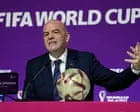
Multiple high-profile European football associations have withdrawn their backing for Gianni Infantino's proposed re-election as FIFA president, intensifying scrutiny of his leadership. Wales, Serbia, and Finland have publicly reversed their support, joining the England Football Association in distancing themselves from the incumbent, creating a significant bloc of opposition ahead of the election.
The withdrawals stem from Infantino's unsuccessful attempt to sell private stakes in the FIFA World Cup, a scheme that drew criticism across European football's governing bodies. The mounting pressure reflects deep concern among established federations over the proposed commercialisation of the tournament and raises serious questions about the viability of his re-election campaign.
- Wales, Serbia, Finland, and the England FA withdraw endorsements for Infantino's re-election
- Withdrawals triggered by his failed plan to privatise World Cup ownership stakes
- Mounting pressure threatens Infantino's bid to remain FIFA president
New here? Start with this
Fifa is football's global governing body, and Gianni Infantino has been its president since 2016, overseeing decisions on how the World Cup and other tournaments are run and funded. He had been expected to stand for re-election with broad support from national football associations, including several in Europe.
That support has been built up over years, but it is now being tested after Infantino reportedly explored selling private stakes in the World Cup itself, a move that would have brought in outside investors to share in the tournament's ownership or revenues. This proved controversial among European associations, who saw it as a step too far in commercialising the sport's most prestigious event.
This matters because Fifa's president wields significant influence over how football's finances and major competitions are managed worldwide, and European federations have traditionally been an important power base within the organisation. Wales, Serbia and Finland joining England in withdrawing support signals a notable shift, and could affect the outcome of the coming leadership vote.
Both sides, in good faith
The strongest fair case each way — we don't pick a winner.
The case for
Supporters of a more commercially adventurous FIFA would argue that Infantino has grown the organisation's revenues substantially and that exploring private investment in the World Cup is a reasonable attempt to diversify income beyond the quadrennial broadcast and sponsorship cycle, freeing up capital for grassroots development, women's football and smaller federations that depend on FIFA distributions. They might contend that early-stage commercial proposals are routinely floated, tested and revised through consultation, and that the scheme's withdrawal reflects normal governance give-and-take rather than any wrongdoing, meaning federations should judge his leadership on the totality of his record rather than one unrealised idea. From this view, punishing innovation before it has even been implemented risks making FIFA more financially conservative and less responsive to the sport's growing global needs.
The case against
Critics, including the federations that have withdrawn support, would argue that selling private stakes in the World Cup risks ceding influence over football's most valuable shared asset to outside investors whose commercial interests may not align with the game's long-term or developmental priorities. They would emphasise that the tournament belongs collectively to national associations and fans, and that any move towards privatisation demands full transparency and consultation, which they believe was lacking here. For these federations, the episode raises broader concerns about concentration of power within FIFA's leadership and whether major decisions affecting the sport's future are being made with adequate accountability to the member associations they are meant to serve.
Coverage
Americas Asia Business Elections Entertainment Europe Football Government Offbeat Politics Software Sport Technology TV UK Weird & Viral World