Don’t use your car’s USB ports to charge your laptop — Do this instead
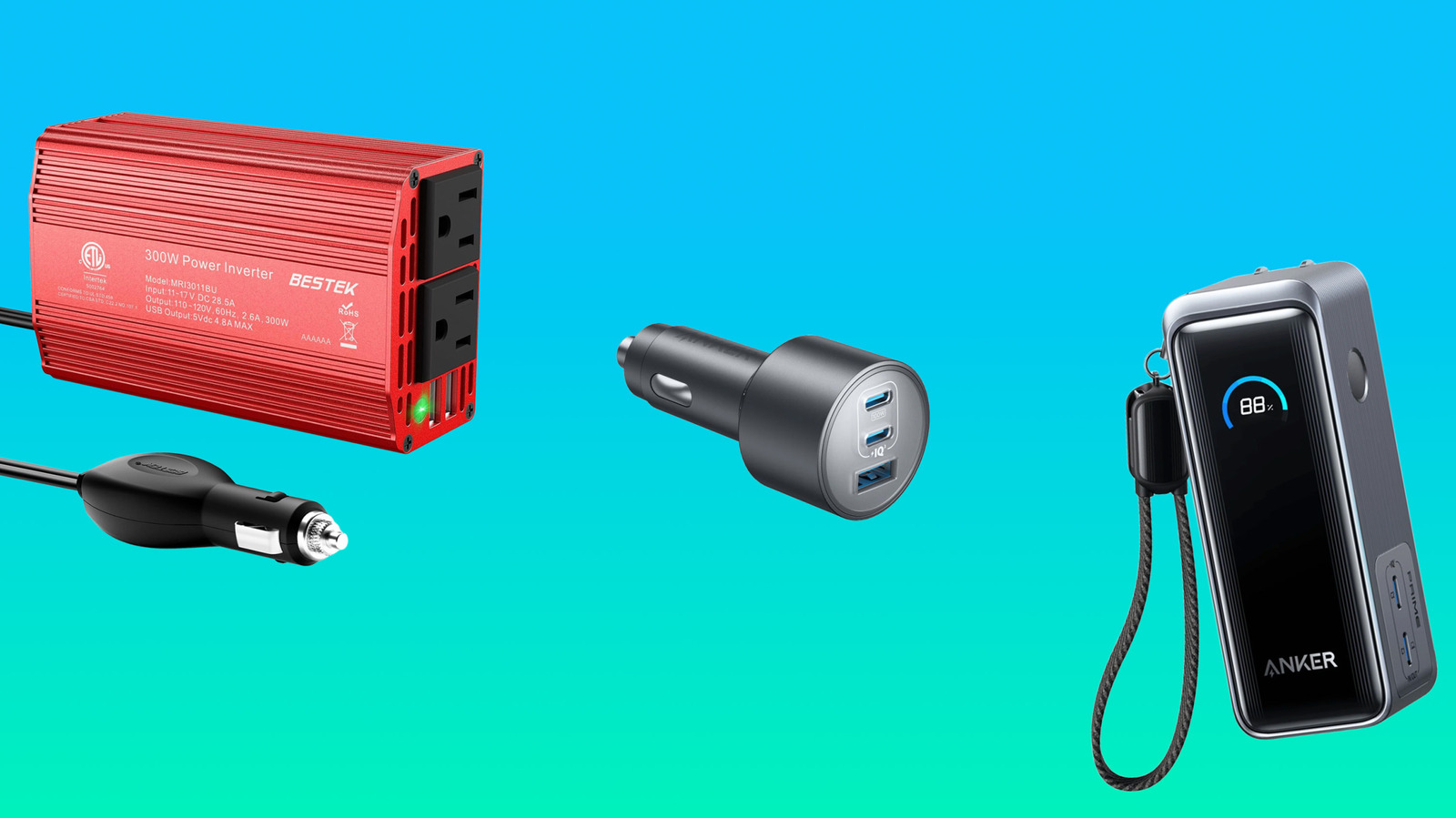
A US tech outlet has warned drivers against relying on their car's built-in USB ports to charge a laptop, explaining that most such ports are designed for phones and media playback rather than the higher power demands of modern laptops. Using them typically results in only a slow trickle of charge, which matters for anyone hoping to top up a laptop on the road, as it can leave devices barely charged or still draining despite being plugged in.
The issue comes down to wattage: standard car USB ports often deliver only around 5W to 7.5W, whereas laptops such as the M5 MacBook Air require 70W or more for fast charging, and the 14-inch MacBook Pro needs 96W or above. Some newer vehicles, including many electric ones, do have higher-powered USB-C ports supporting Power Delivery, but this should be confirmed via a port label or the owner's manual rather than assumed. Better alternatives include a 12V USB-C PD charger plugged into the car's accessory outlet, a power inverter that provides a standard AC socket for the laptop's own charger, or a dedicated laptop-friendly power bank, provided its wattage matches the laptop's requirements.
- Most car USB ports charge laptops far too slowly
- Check your laptop charger's wattage before choosing a solution
- Use a 12V PD charger, inverter, or laptop power bank instead