Sovereign wealth fund consortium completes $55bn buyout of Electronic Arts
Developed over time first seen 2 months ago
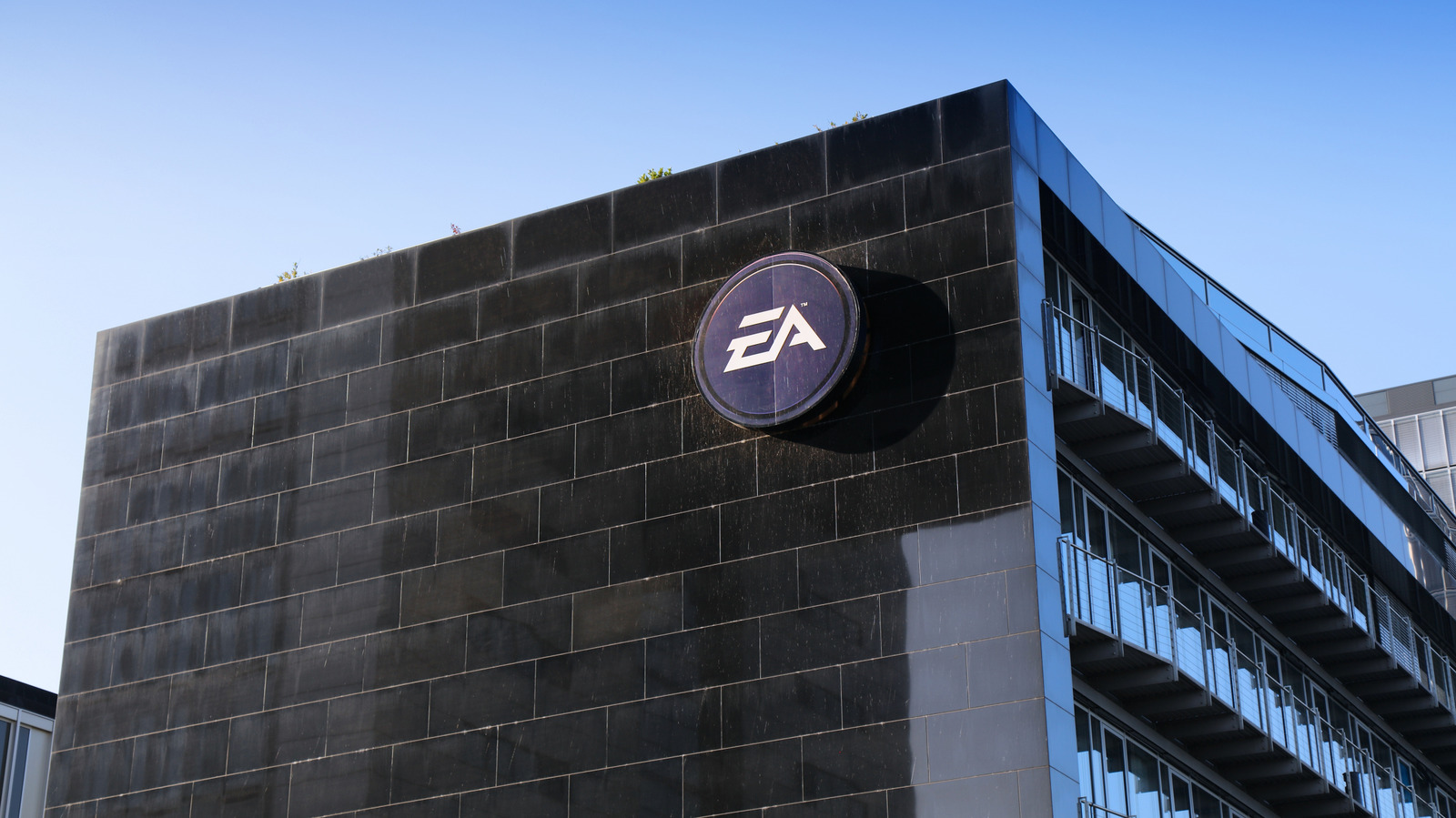
Electronic Arts has completed its acquisition by a consortium led by Saudi Arabia's Public Investment Fund, alongside Silver Lake and Affinity Partners, in what stands as the largest leveraged buyout in history. The $55 billion deal takes EA from public to private ownership after decades on the stock market, marking a landmark moment for the video games industry and highlighting the increasingly prominent role sovereign wealth funds now play in major corporate takeovers.
The acquisition was first announced last year and drew scrutiny throughout the process over its geopolitical implications given the PIF's central involvement, though EA's leadership publicly welcomed the transition. With the deal now finalised, the company has said that moving to private ownership will free it from the short-term pressures of quarterly earnings reports, allowing for more long-term strategic planning. Further details on the consortium's specific plans for EA's future direction have not yet been disclosed.
- EA's $55bn buyout by PIF-led consortium has completed
- Largest leveraged buyout in history, ending EA's public listing
- Deal raises scrutiny over sovereign wealth funds' role in takeovers
New here? Start with this
Saudi Arabia's Public Investment Fund, one of the world's largest sovereign wealth funds, has teamed up with private equity firm Silver Lake and Jared Kushner's Affinity Partners to buy Electronic Arts, the American video game publisher behind titles such as FIFA (now EA Sports FC), The Sims and Battlefield. The $55 billion deal takes EA off the stock market and into private hands, meaning it will no longer be owned by everyday shareholders but by this small group of investors instead.
This matters because it is the largest deal of its kind ever recorded, and because it puts a major US entertainment company under the part-ownership of a foreign state fund. Sovereign wealth funds, which invest money on behalf of governments, have been expanding into sectors like sport, gaming and entertainment in recent years, and this purchase is one of the clearest examples yet of that trend reaching a household-name company.
The deal was first proposed last year and needed regulatory approval before it could go ahead, a process that drew scrutiny given the Saudi government's involvement and questions about foreign influence over a company that reaches millions of players worldwide. EA's own management has supported the takeover, arguing that being privately owned removes the pressure of reporting results every three months and gives the company more freedom to plan for the long term.
Both sides, in good faith
The strongest fair case each way — we don't pick a winner.
The case for
Supporters of the deal argue that private ownership frees EA from the tyranny of quarterly earnings calls, allowing management to invest in ambitious, longer-term game development rather than chasing short-term shareholder metrics. They see sovereign wealth funds like the PIF as legitimate, deep-pocketed long-term investors whose capital diversifies Saudi Arabia's economy while giving EA the financial stability and patience to take creative risks. EA's own leadership has welcomed the transition, suggesting those closest to the business view the change as an opportunity rather than a threat.
The case against
Critics argue that Saudi Arabia's Public Investment Fund is not a neutral financial actor but an arm of a state with a troubling human rights record, and that acquiring a major entertainment company allows that state to burnish its global image through popular culture, similar to concerns raised about Saudi investment in sport. They also warn that the scale of debt used to finance the largest leveraged buyout in history could pressure EA toward aggressive monetisation or cost-cutting to service that debt, and that foreign state ownership of a company shaping widely consumed cultural products raises legitimate questions about influence and accountability that a public listing's disclosure requirements previously helped constrain.
Coverage
- Engadget — The Saudi-led $55 billion takeover of EA has closed
- Push Square — ‘We’re Entering This Next Chapter from a Position of Strength’: EA Completes $55 Billion Buyout