Even after 200 hours, Marathon’s greatest secret is still deciphering the rhythms of rival players
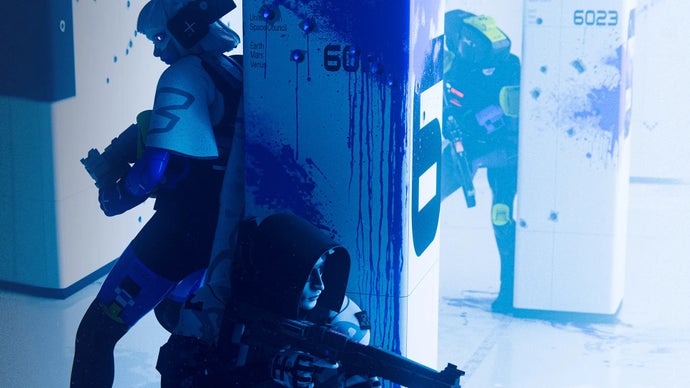
This Rock Paper Shotgun feature explores one of the most compelling but under-discussed aspects of Bungie's extraction shooter Marathon: the tense phase that follows a losing firefight, when a lone surviving player must decide whether to flee or attempt to save downed teammates. The writer, reflecting on over 200 hours of play, argues that Marathon's design makes defeat rarely absolute, since victory conditions vary by player and downed teammates can still be revived if reached in time, turning apparent losses into opportunities for a comeback.
The piece highlights how Bungie's Night Marsh addition in Season 2 has deepened this dynamic by darkening large portions of the map, making it harder for victorious enemy squads to track down and finish off scattered survivors or locate all the loot from a fight. This uncertainty gives outnumbered players a genuine chance to escape quietly, using cover, silence and careful map-reading to evade opponents who are often laden with loot and unaware of exactly how many enemies they faced, before potentially regrouping to turn the tables.
- Marathon's post-fight tension lets losing players stage comebacks
- Downed teammates can be revived, making defeats rarely final
- Season 2's Night Marsh adds darkness that aids sneaky survivor escapes