Taxpayer-funded housing for illegal immigrants in GOP’s crosshairs: ‘It’s got to stop’
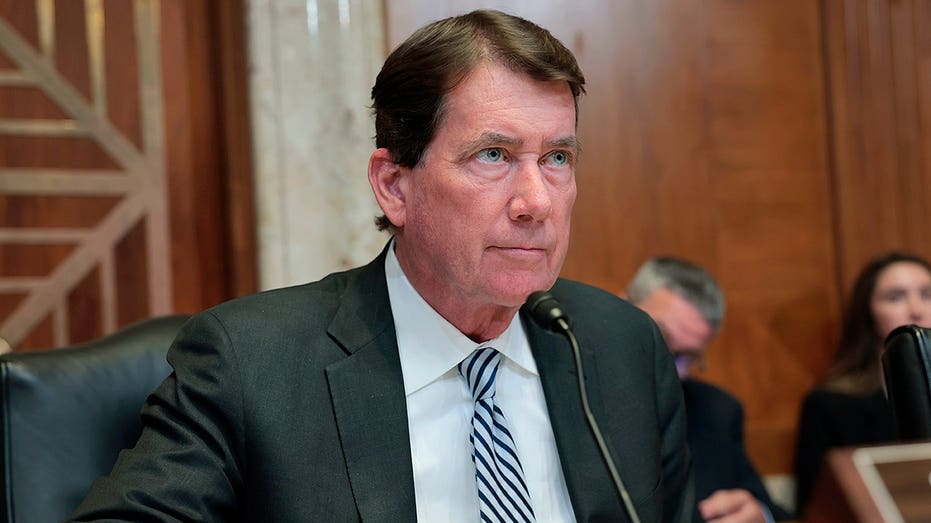
Republican Senator Bill Hagerty of Tennessee has introduced new legislation aimed at restricting undocumented immigrants from accessing federally funded housing assistance. The bill, called the "End Housing Welfare for Illegal Aliens Act", is part of a broader Republican push to tighten eligibility rules for federal welfare and housing programmes, reflecting ongoing GOP efforts to link immigration enforcement with restrictions on taxpayer-funded benefits.
The proposed law would close existing loopholes that allow illegal immigrants to receive federal housing benefits and would also cut off related grants to sanctuary cities, which limit cooperation with federal immigration authorities. The bill has been introduced exclusively as part of wider Republican legislative efforts targeting immigration and welfare policy, though further details on its provisions, cost implications and path through Congress were not fully outlined in the available report.
- Sen Bill Hagerty introduces bill to restrict housing aid for illegal immigrants
- Bill would close eligibility loopholes and cut sanctuary city grants
- Part of wider GOP push linking immigration enforcement to welfare rules
Both sides, in good faith
The strongest fair case each way — we don't pick a winner.
The case for
Supporters argue that federal housing assistance is a scarce resource funded by taxpayers and intended for citizens and lawful residents, and that closing loopholes which allow undocumented immigrants to access it ensures the system serves those it was designed for, especially amid long waiting lists for public housing in many cities. They contend that linking such benefits to lawful immigration status upholds the rule of law and fairness towards those who immigrated through proper channels, and that withholding related grants from sanctuary cities is a legitimate way to encourage cooperation with federal immigration enforcement, which they see as essential to an orderly and enforceable immigration system.
The case against
Opponents argue that restricting housing assistance in this way risks worsening homelessness and housing instability for vulnerable families, including US citizen children living in mixed-status households, and that existing federal law already bars undocumented immigrants from most core housing benefits, making the bill more symbolic than substantive. They contend that penalising sanctuary cities by cutting grants undermines local governments' ability to manage public safety and community trust as they see fit, and that conflating welfare policy with immigration enforcement distracts from broader, more effective reforms to both housing affordability and immigration law.