The $299 Viture Pro 2 are the company’s lightest and most comfortable smartglasses yet
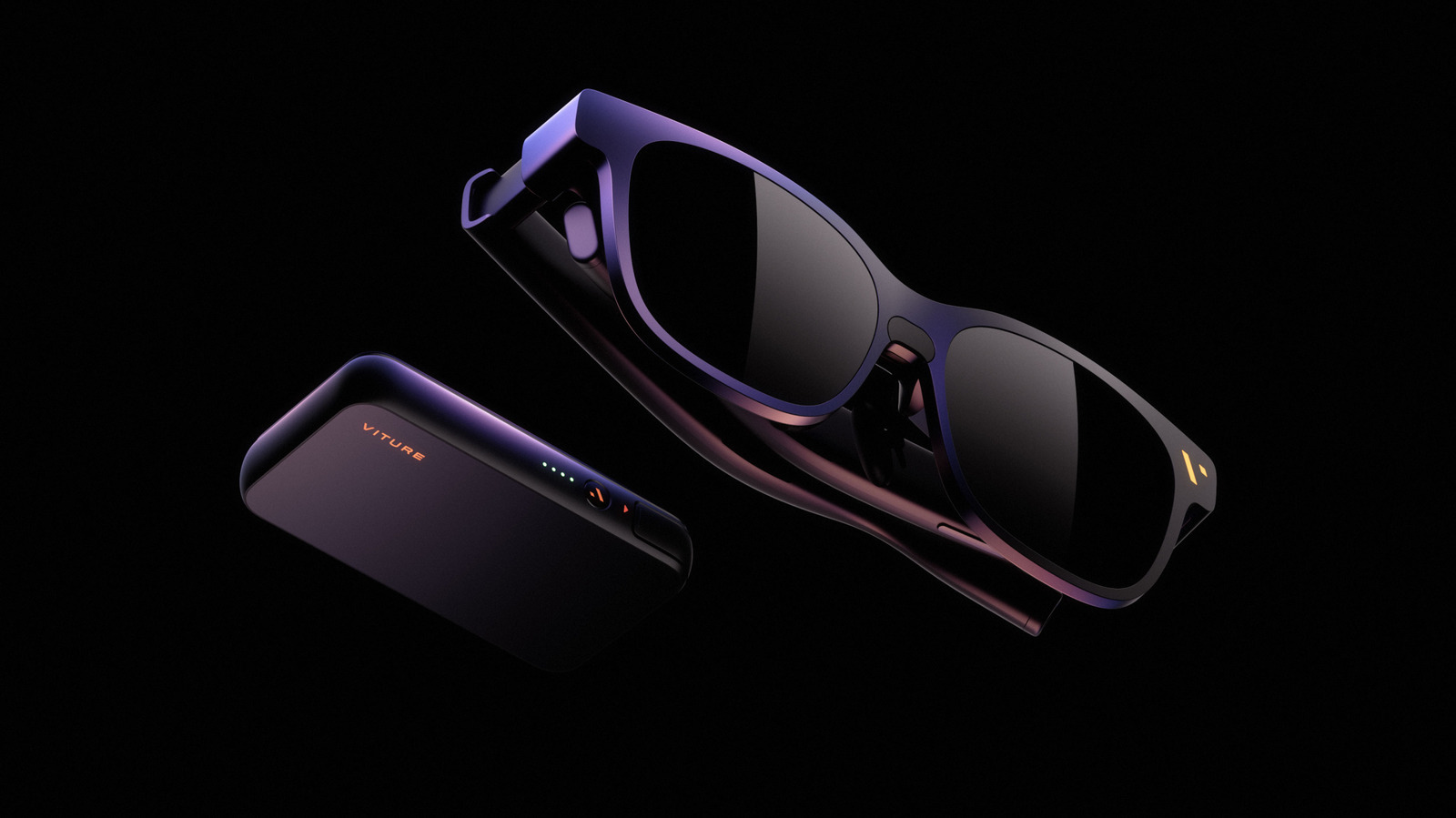
Viture has marked its fifth anniversary by launching two new products aimed at making smartglasses more comfortable and practical to use: the Viture Pro 2 smartglasses and a companion Mobile Dock Mini. The release matters because wearable displays remain a young and fast-evolving category, and Viture's focus on comfort, eye strain and portability addresses common criticisms of earlier smartglasses designs, positioning the company against rivals like Meta and Samsung in the wider XR market.
The Viture Pro 2, priced from $299, weighs just 63 grams, making it 16% thinner and 20% lighter than the original Pro model, with improved padding and adjustable nosepads for a better fit. Eye comfort has also been prioritised through "UltraClarity 3.0" technology, offering up to 1,600 nits brightness, per-eye diopter adjustment from 0 to -5.00D, a wider 50-degree field of view, and the same 1920 x 1080 resolution and 120Hz refresh rate as before. The glasses use birdbath-style optics and require a wired USB-C connection, distinguishing them from waveguide-based rivals. The $99 Mobile Dock Mini, 34% smaller and 30% lighter than its predecessor, includes a 10,000mAh battery and supports the Nintendo Switch 2 via a detachable adapter; both products are available now, with a $20 bundle discount bringing the combined price to $378.
- Viture launches lighter, more comfortable Pro 2 smartglasses for $299
- New Mobile Dock Mini accessory costs $99, supports Switch 2
- Bundle of both devices available for $378 with anniversary discount
New here? Start with this
Viture is a company making smartglasses, a wearable headset that projects a screen in front of the wearer's eyes so they can watch films, play games or work on a larger virtual display while on the move. The firm operates in the wider XR (extended reality) market, competing with much larger players such as Meta and Samsung, and has built its reputation on lighter, more affordable devices than typical virtual or augmented reality headsets.
A common complaint about smartglasses to date has been that they are heavy, uncomfortable to wear for long periods, and can strain the eyes. This matters because it has limited how practical the devices are for everyday use, rather than just short demos, which is the problem manufacturers are now trying to solve as the category matures.
Viture's product line plugs into phones, laptops, consoles and similar devices via a cable to display their screen through the glasses, rather than running apps independently like some rival headsets. The company also sells accessory docks that add battery power and extra connectivity options for use with devices such as handheld games consoles.