Trump signs executive orders targeting birthright citizenship, birth tourism after Supreme Court setback
Developed over time first seen 2 months ago
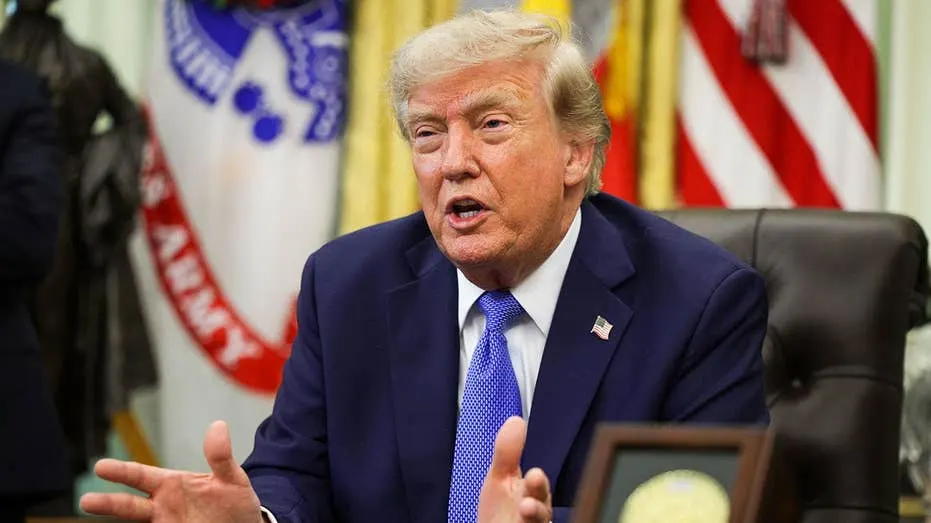
President Donald Trump signed two executive orders aimed at restricting automatic birthright citizenship and curbing “birth tourism”, following what he described as an unfavourable Supreme Court ruling. The move matters because it renews his administration’s challenge to longstanding interpretations of the Fourteenth Amendment and could affect children born in the US to certain non-citizen parents.
Trump said the administration was “making adjustments” because businesses were being built around birthright citizenship, which he called unfair and contrary to the law’s intended purpose. One order targets people travelling to the US to give birth, while the other expands the categories of people the administration says should not qualify for automatic citizenship; the article does not specify the full legal scope or implementation timetable.
- Trump issued orders targeting birthright citizenship and birth tourism.
- He acted after criticising a Supreme Court ruling.
- The measures could face significant legal challenges.
New here? Start with this
The Fourteenth Amendment to the US Constitution says that people born in the United States and subject to its jurisdiction are citizens. For more than a century, this has generally been understood to give citizenship to nearly all children born in the country, regardless of their parents’ immigration status.
Donald Trump has long argued that this interpretation should be narrower, particularly for children of people in the country without legal permission or on temporary visas. “Birth tourism” is a term used for travel to the US with the intention of giving birth there so that a child may obtain US citizenship.
Changing the usual approach would raise constitutional questions and is likely to be challenged in the courts. The issue could affect families, immigration policy and the rights attached to US citizenship, including the ability to live and work in the country.
Both sides, in good faith
The strongest fair case each way — we don't pick a winner.
The case for
Supporters argue that citizenship rules should reflect the Fourteenth Amendment’s original purpose of securing rights for formerly enslaved people, rather than automatically covering every child born to temporary visitors or people without lawful status. They contend that birth tourism can create an industry built around exploiting immigration rules, and that the executive orders seek to restore fairness, deter abuse and ensure that citizenship rests on a meaningful connection to the country.
The case against
Opponents argue that birthright citizenship is a clear, longstanding constitutional guarantee whose broad application has helped prevent statelessness and unequal treatment based on parents’ status. They contend that changing it by executive order would exceed presidential authority, create legal uncertainty for children, and weaken a simple rule that has supported social inclusion and equal citizenship for generations.