Kellogg moves to ditch artificial dyes from cereals by end of 2026
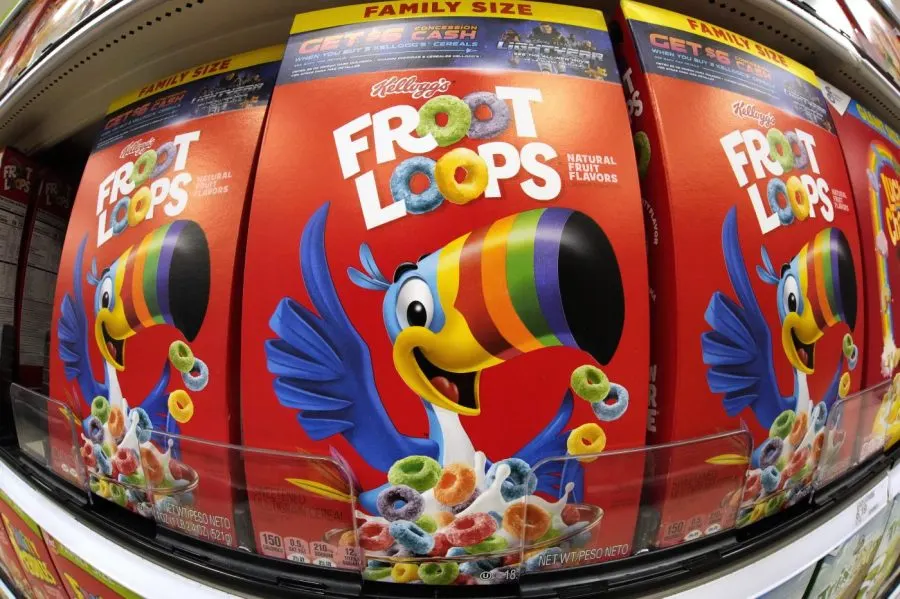
WK Kellogg says it will remove artificial dyes from its cereal products by the end of 2026, responding to growing consumer and regulatory concern about synthetic food colourings. The move matters because several of its best-known breakfast cereals use bright colours, and it could add pressure on other large food manufacturers to make similar changes.
The company has not detailed every product affected, but the commitment covers its cereal portfolio and follows wider scrutiny of possible links between certain artificial dyes and behavioural effects in children. Reformulating products may require changes to ingredients and appearance, while the company seeks to maintain familiar flavours and colours.
- WK Kellogg plans to remove artificial dyes by end-2026.
- The change covers its cereal portfolio.
- Synthetic colourings face growing public scrutiny.
New here? Start with this
WK Kellogg makes and sells breakfast cereals, including brightly coloured brands familiar to many households. Artificial dyes are ingredients used to give foods consistent, vivid colours.
Food colourings have drawn more scrutiny from consumers and regulators, including over research into possible effects on children’s behaviour. Removing dyes can mean changing recipes and the look of products, while manufacturers try to keep their taste familiar.
The decision could influence other large food companies that use similar ingredients. It also reflects broader questions about how food ingredients are assessed and what information shoppers expect.
Both sides, in good faith
The strongest fair case each way — we don't pick a winner.
The case for
Artificial dyes serve no nutritional purpose and serve only cosmetic function, whilst growing evidence suggests they may affect children's behaviour and health, particularly among susceptible individuals. Parents increasingly demand cleaner ingredient lists, and regulatory scrutiny of synthetic additives is tightening globally. Removing them demonstrates corporate responsibility toward child welfare and aligns with evolving consumer preferences, making reformulation a reasonable investment in public health.
The case against
Artificial food dyes are rigorously approved and deemed safe by food safety regulators at permitted levels, with mixed and contested scientific evidence linking them to behavioural problems in most children. Reformulation may prove costly, affecting product taste, texture, shelf life or price, whilst natural alternatives may introduce unproven substitutes with their own drawbacks. This shift responds more to consumer sentiment than definitive science, potentially setting an unsustainable precedent that pressures other manufacturers without clear public health justification.
Art Business Companies Culture Politics