Trump reportedly renews bid to remove Fed governor Lisa Cook
Developed over time first seen 3 months ago
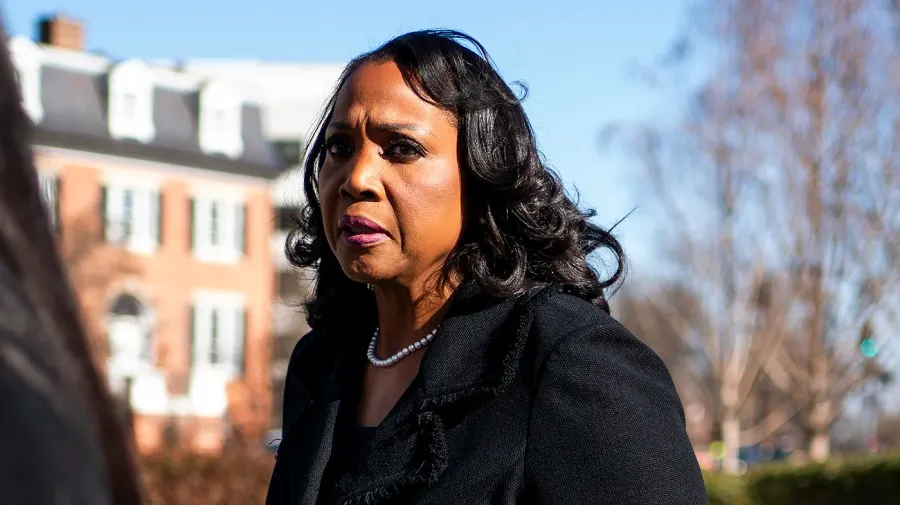
Donald Trump renewed efforts to remove Federal Reserve governor Lisa Cook, according to reports, but no confirmed outcome or supporting details are available in the supplied article. The dispute matters because attempts to dismiss a Fed governor could test the legal protections intended to preserve the central bank’s independence from political pressure.
The article’s text was inaccessible and provides no account of the alleged grounds, timing, legal process or responses from Cook or the Federal Reserve. The headline indicates an attempted renewed removal effort, not confirmation that Cook was dismissed.
- Sources
- 2
- Outlets
- 2
- Left · Centre · Right
- 0 · 0 · 2
In short
- Trump reportedly renewed efforts to remove Lisa Cook.
- No dismissal was confirmed in the supplied material.
- The case could test Federal Reserve independence.
How this story developed
- 3 months ago No further details emerged on the alleged grounds, timing, procedure or responses, with reporting continuing to describe the action only as a renewed attempt to oust Cook.
- 3 months ago Reports said Donald Trump was again seeking to remove Federal Reserve governor Lisa Cook, raising fresh concerns over the legal safeguards protecting the central bank’s independence, though no dismissal was confirmed.
Steelman: both sides, in good faith
The strongest fair case each way — we don't pick a winner.
The case for
A reasonable case for pursuing removal is that Federal Reserve governors exercise immense public power and should remain accountable under the law. If the President has credible, legally sufficient evidence of misconduct or incapacity, advocates would argue that acting through the prescribed process protects institutional integrity rather than placing an office-holder beyond scrutiny. They would stress that independence should shield monetary-policy judgement, not prevent consequences for proven breaches of duty.
The case against
A reasonable case against the effort is that secure, fixed terms for Federal Reserve governors are a vital safeguard against political pressure over interest rates and other monetary decisions. Without clear statutory grounds, fair process and transparent evidence, an attempted removal could weaken confidence that policy is made for long-term economic stability rather than short-term political advantage. Advocates would argue that legal protections for governors exist precisely to preserve both due process and the Fed’s operational independence.
Explained simply
The Federal Reserve is the United States’ central bank. It sets interest rates and takes other steps intended to keep prices stable and support employment, decisions that affect borrowing costs, savings and the wider economy.
Lisa Cook is one of the governors on the Federal Reserve Board, a group appointed for long terms to help shield monetary policy from day-to-day political pressure. Donald Trump is the US president and has previously criticised the Fed’s approach to interest rates.
A president’s ability to remove a Fed governor is limited by law and could be tested through a formal legal process. Questions about the independence of the Fed matter because investors, businesses and households rely on confidence that its decisions are made on economic grounds.
Coverage · 2 sources
Bias meters
From 2 rated sources.
Art Celebrity Culture Entertainment Government Politics
Read the full article at the source →
Originally published by The Hill as “Trump restarts effort to fire Fed’s Lisa Cook: Reports”.