Paris tells e-scooter riders to wear safety gear or face fines
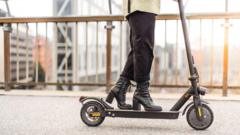
Paris has introduced compulsory helmets and high-visibility clothing for private e-scooter riders, with fines for those who do not comply. The move aims to reduce a sharp rise in serious and fatal scooter accidents, despite the city having already banned rental e-scooters in 2023.
Riders without an approved helmet can be fined €135 (£129), while failing to wear a high-vis vest or retro-reflectors carries a €35 (£30) penalty. Police said 79 people died in e-scooter accidents in France last year, up from 45 the previous year, while about 1,100 people were injured in Paris alone, a 33% increase; the rules also apply to devices such as electric unicycles and hoverboards.
- Paris mandates helmets and high-vis gear for private e-scooter riders.
- Fatal e-scooter accidents rose sharply across France last year.
- Fines can reach €135 for not wearing an approved helmet.
Both sides, in good faith
The strongest fair case each way — we don't pick a winner.
The case for
Supporters argue that mandatory safety gear and fines are a proportionate response to a clear rise in deaths, especially in a dense city where e-scooters mix with pedestrians, cars and cyclists. They contend that helmets and other basic protection reduce the severity of preventable injuries, while enforceable rules make safety expectations unambiguous. The underlying value is that public authorities should act early to protect life where a modest personal inconvenience can avert lasting harm.
The case against
Critics argue that fines and mandatory equipment may be an overly punitive way to address a problem whose causes may include road design, traffic speeds, vehicle maintenance and inconsistent enforcement of existing rules. They may worry that such requirements discourage a low-emission transport option, burden lower-income riders and shift responsibility disproportionately onto individuals rather than improving infrastructure. The underlying value is that safety policy should be evidence-led, fair and focused on the conditions that create danger rather than simply penalising users.