Self-destructing phone code sparks federal case
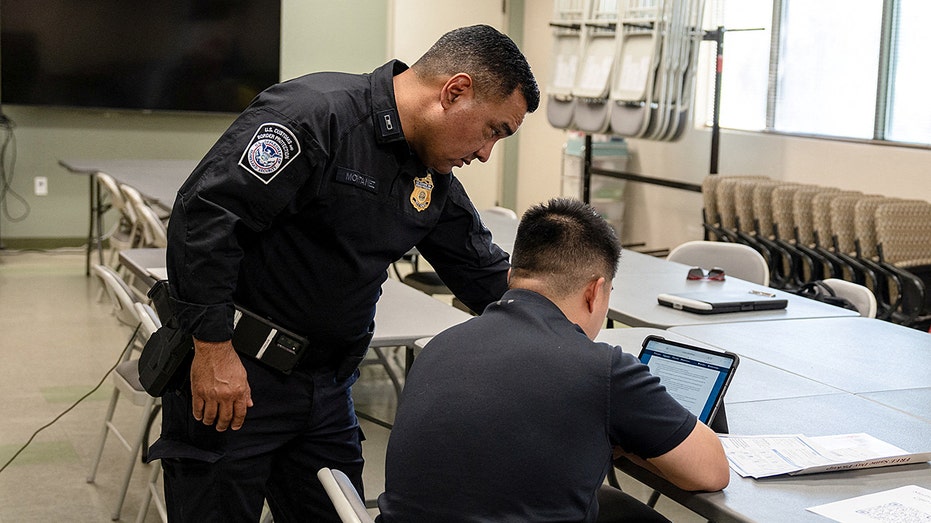
An Atlanta man is facing a felony charge after allegedly using a secret "duress PIN" feature on his Google Pixel phone that wiped its data while US Customs and Border Protection officers were attempting to inspect it. Prosecutors argue he knowingly destroyed digital property that the government had lawful authority to seize, while his lawyers contend the detention itself was unlawful and that agents had no valid authority to take the phone in the first place. The unresolved case highlights a growing tension between personal digital privacy tools and border security powers.
The wipe feature in question uses a secondary passcode to erase stored data, such as messages, photos and location history, and is associated with privacy-focused mobile operating systems like GrapheneOS. The case raises questions about how security software designed to protect user privacy can collide with federal authority at border checkpoints, and it remains legally unresolved as both sides dispute the circumstances of the phone's seizure.
- Atlanta man charged after phone self-wipe during CBP inspection
- Duress PIN feature allegedly erased his Google Pixel's data
- Case pits digital privacy tools against border search authority