How ‘Camp Miasma’s Crew Revived a Pre-CGI Technique with “Old-School Film Nerd” Ambition
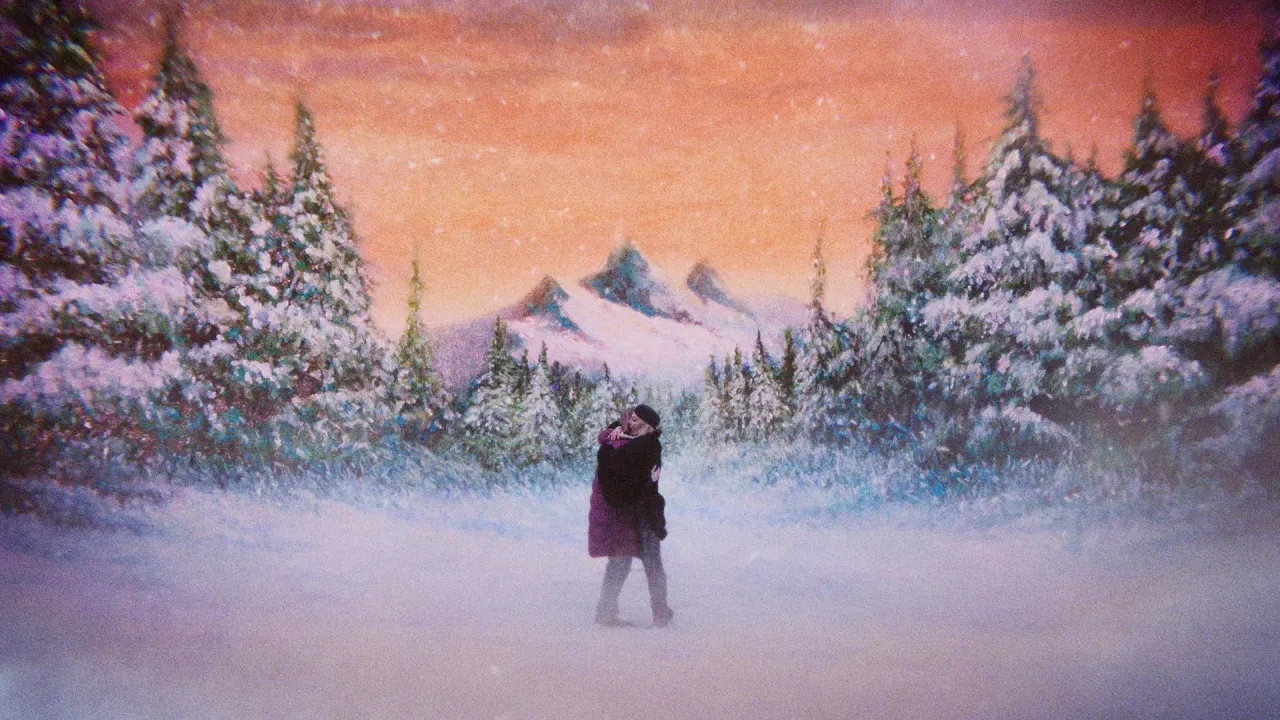
The new meta-horror film Teenage Sex and Death at Camp Miasma, directed by Jane Schoenbrun, has revived matte painting, a hand-crafted visual effects technique largely abandoned for around 50 years since the advent of CGI. Production designers Brandon Tonner-Connolly and Matt Hyland spearheaded the effort, teaching themselves the near-forgotten craft since most practitioners who once used it are now dead, elderly or unreachable, making the achievement a rare feat of "old-school film nerd" dedication.
Matte painting, also known as glass painting, involves painting a backdrop onto a large sheet of glass positioned between the camera and the actors, leaving certain areas transparent so real performers and settings blend seamlessly with painted scenery. Previously used in films such as Ben-Hur, Black Narcissus, Superman: The Movie and Titanic, the technique lets film-makers suggest grand or fantastical scale cheaply, without CGI. In Camp Miasma, which follows indie director Kris (Hannah Einbinder) tracking down reclusive "Final Girl" Billy (Gillian Anderson), a series of hand-painted backdrops grow progressively closer and more immersive as the story blurs fantasy and reality, with the crew citing precise layering and alignment as the biggest technical challenge.
- Camp Miasma revives 1970s-era matte painting, a pre-CGI visual effects technique
- Designers Tonner-Connolly and Hyland self-taught the near-extinct craft
- Hand-painted glass backdrops blend real actors with fantastical scenery on screen
New here? Start with this
Independent creators had, for decades, largely set aside matte painting once computer-generated imagery took over as the standard way to create fantastical or large-scale scenes on screen. The technique involves painting a scene onto glass positioned between camera and actors, so real performers appear seamlessly set against a hand-painted backdrop, and it was once common in classic films before falling out of use as the people who mastered it grew scarce.
The new film Teenage Sex and Death at Camp Miasma, directed by Jane Schoenbrun, brought the craft back for a story that follows an indie director searching for a reclusive former horror-film star, with the visuals meant to blur the line between fantasy and reality. Production designers Brandon Tonner-Connolly and Matt Hyland led the effort, having to teach themselves the near-forgotten process largely from scratch, since so few people who once practised it are still around or working.
The story matters as a rare example of a nearly lost film-making skill being deliberately revived rather than left behind, offering a contrast to the now-dominant use of digital effects and raising questions about how such traditional crafts are passed on, or not, between generations of film-makers.