Netflix’s The Last House ending explained by director: ‘We humans are the bad guys of this planet’
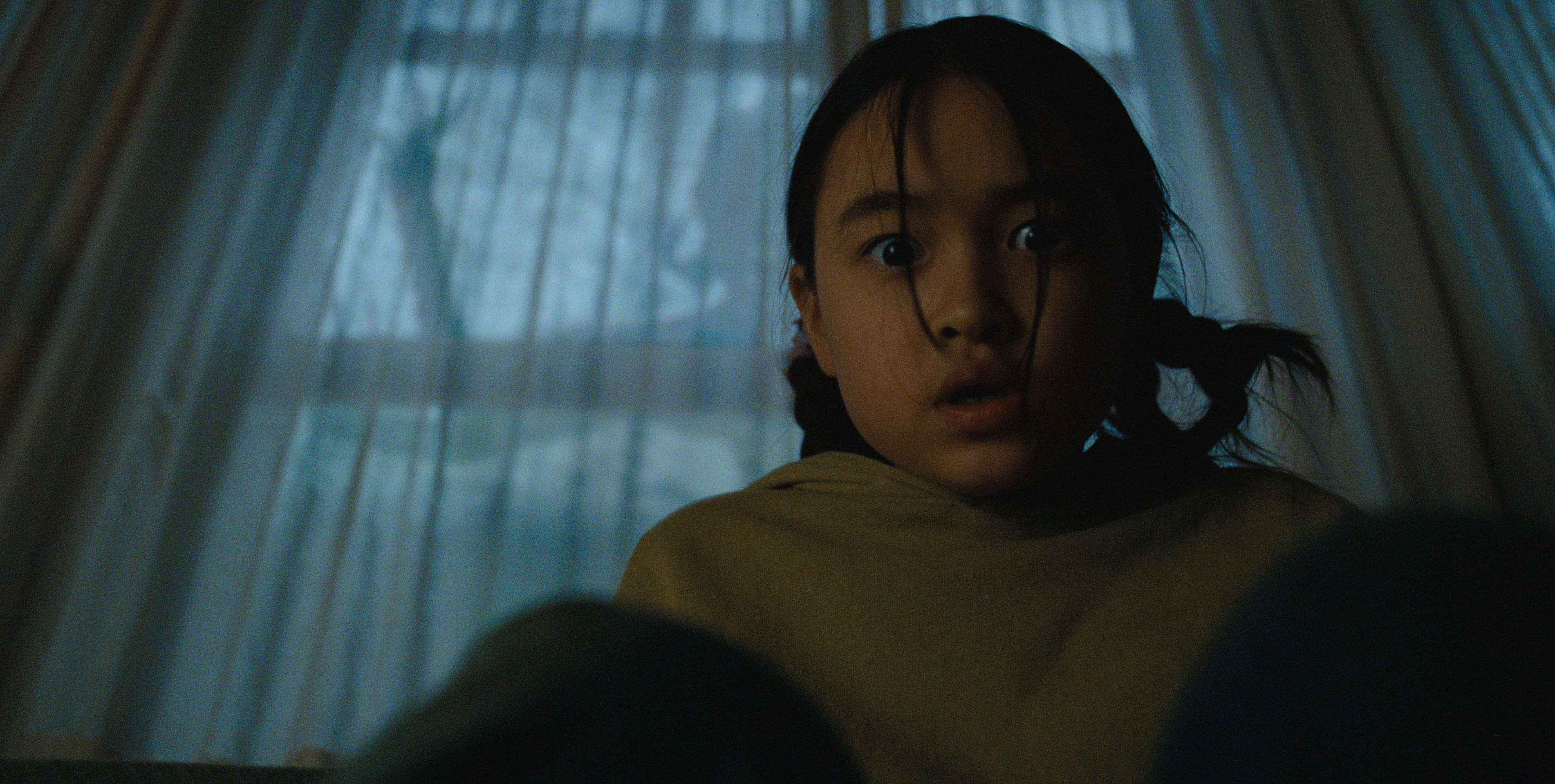
Director Louis Leterrier has explained the twist ending of Netflix's survival thriller The Last House, revealing that the family's mysterious captors are Cthulhu-esque merpeople who have flooded the planet to purge it of humans. He described blending genuine mermaid folklore with cosmic horror to move the story from physical survival towards psychological and emotional stakes, ultimately delivering a message that humanity should not assume it is the "good guy" or the most advanced species in the universe.
In the film, the trapped family – Jason, Ann, Ruth and Graham – escape their flooded home by luring the merpeople inside and showing mercy to one they had captured, persuading the creatures to halt the rain and let them sail off into a devastated world. Leterrier said the script he received lacked a proper third act, so he deliberately left the ending ambiguous, including the identity of a mysterious voice heard at the close of the film, to avoid a neatly happy or sad resolution.
- The Last House's captors are revealed as vengeful, Cthulhu-like merpeople.
- Director Leterrier built an intentionally ambiguous, cosmic-horror ending.
- Message: humans shouldn't assume they're Earth's "good guys".
New here? Start with this
Netflix's The Last House is a survival thriller centred on a family who become trapped in their home as floodwaters rise and mysterious captors keep them from escaping. The core cast of characters includes Jason, Ann, Ruth and Graham, and much of the tension comes from not knowing who, or what, is holding them prisoner as the world outside is submerged.
The film's director, Louis Leterrier, has been speaking publicly about the story's twist ending, explaining the reasoning behind the creatures behind the flooding and the choices made in how the family's ordeal is resolved. His comments are part of a wider trend of directors unpacking ambiguous or unconventional endings once a film is released on a streaming platform, giving audiences additional context that isn't spelled out on screen.
This matters to readers because the ending was deliberately left open to interpretation, so explanations from the director help clarify plot points, character motivations and the film's underlying message that may otherwise remain unclear after watching.