Solar eclipse in Lincolnshire: When and where to see it
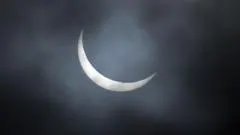
People in Lincolnshire will be able to see a rare partial solar eclipse on Wednesday 12 August, the largest such coverage in the UK since the total eclipse of 1999. The moon is expected to obscure between 90 and 96 per cent of the sun, and organisers across the county have arranged public viewing events to mark the occasion. It is a significant astronomical event because the next comparable partial eclipse will not occur until 2050, with the following total eclipse not due until 2090.
The eclipse will be visible in Lincolnshire from 18:14 BST, reaching its deepest point at 19:10 before ending at 20:03, against a backdrop of warm weather and an amber Met Office heat warning. Viewing events are planned at locations including Lincoln Observatory, Skegness Pier, Grimsby Rugby Club and several village greens, and experts stress the importance of using certified eclipse glasses (ISO 12312-2) or safe indirect methods such as pinhole viewers, since looking directly at the sun can cause painless retinal damage. The same night also offers prime viewing of the Perseids meteor shower, best seen between midnight and dawn on 12 and 13 August.
- Rare partial solar eclipse visible in Lincolnshire on 12 August
- Moon will cover 90-96% of the sun, biggest since 1999
- Multiple public viewing events planned; use certified eclipse glasses
New here? Start with this
Lincolnshire is set to witness one of the most significant solar eclipses seen in the UK for decades, with the moon covering up to 96 per cent of the sun's surface. This puts it close to a total eclipse in visual effect, though not quite total, and it is being described as the biggest such event in the county since 1999. Because eclipses of this scale are rare, the occasion has prompted organised public viewing events across the region.
The event itself is a natural astronomical occurrence, caused by the moon passing between the Earth and the sun. It is not linked to any particular institution or authority beyond local observatories, councils and community groups who are hosting viewing sessions at locations such as Lincoln Observatory and Skegness Pier. Safety is a key part of the coverage, since viewing the sun directly without proper protection can damage eyesight.
The eclipse matters partly because of its rarity: opportunities to see anything comparable will not come again for a generation, with the next similar partial eclipse not due until 2050 and a full total eclipse not expected until 2090. This has made it a notable one-off moment for skywatchers, coinciding with warm weather and, later that night, a good opportunity to see the Perseids meteor shower.