Ebola outbreak on track to be deadliest ever, WHO chief says
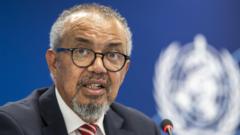
The World Health Organization has warned that the Ebola outbreak in the Democratic Republic of Congo could become the deadliest ever if its current pace continues. The crisis is complicated by delayed detection, misdiagnosis and regional instability, which have left health workers struggling to reach most cases and contain transmission.
Declared on 15 May but thought to have begun in February, the 2026 outbreak has recorded at least 4,300 cases and more than 2,000 deaths. It involves the rare Bundibugyo strain, for which there is no approved vaccine or recognised treatment; the WHO aims to bring spread under control within three months, while vaccine and antiviral trials are under way.
- WHO warns Congo’s outbreak could become the deadliest Ebola epidemic.
- More than 2,000 people have died from at least 4,300 cases.
- Delayed detection and conflict are hampering efforts to contain it.
New here? Start with this
Ebola is a serious viral disease that can cause fever, weakness, vomiting, diarrhoea and bleeding. It spreads through direct contact with the bodily fluids of an infected person, including after death, so rapid diagnosis, isolation and tracing of close contacts are central to stopping outbreaks.
The Democratic Republic of Congo has experienced several Ebola outbreaks, often in areas where travel is difficult and health services are under strain. The World Health Organization works with the Congolese authorities, local health workers and aid groups to identify cases, treat patients and reduce the risk of further spread.
Different types, or strains, of Ebola can behave differently, and vaccines developed for one strain may not protect against another. Large outbreaks can also affect neighbouring countries if people cross borders before they are diagnosed, making regional co-operation important.