Victims of road crime feel ‘forgotten by system’, official review finds
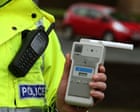
An official review has found that people bereaved or seriously injured by road crime in England and Wales often feel overlooked by the criminal justice system. Victims reported that criminal driving offences were not treated as seriously as other crimes, with long investigations, poor communication, court delays and limited support adding to trauma after life-changing collisions.
Nearly 30,000 people were killed or seriously injured on the roads in the year to June 2025, including 1,579 deaths—more than three times the number of homicides. An estimated 25–30% of collisions involve criminal driving, such as speeding or driving under the influence; victims’ commissioner Claire Waxman called for national investigation standards, stronger oversight and better police training, while road-safety groups backed the recommendations.
- Road-crime victims say the justice system leaves them feeling forgotten.
- Nearly 30,000 people were killed or seriously injured in a year.
- The commissioner urged better investigations, support and accountability.
Both sides, in good faith
The strongest fair case each way — we don't pick a winner.
The case for
Advocates for reform argue that deaths and life-changing injuries caused by dangerous driving can devastate families just as profoundly as other serious crimes, yet victims often feel excluded from proceedings and see offences framed as accidents rather than preventable wrongdoing. They contend that clearer communication, consistent charging and sentencing, and better specialist support would recognise the harm done and strengthen public confidence that road crime is taken seriously.
The case against
Those urging caution may agree that victims deserve compassionate support while arguing that criminal justice outcomes must remain proportionate to the driver’s conduct and the available evidence, rather than to the tragic consequences alone. They may warn that broad calls for tougher treatment could blur important distinctions between deliberate, reckless and momentary errors, and say improvements should focus on victim services, investigation quality and transparency rather than automatic harsher punishment.