Romania shuts only nuclear plant as heat causes huge drop in Danube River level
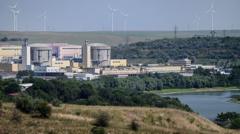
Romania has shut down its only nuclear power station after prolonged heat drove the Danube River to exceptionally low levels, restricting the water needed to cool its reactors. The closure removes a source of about a fifth of the country’s electricity and highlights how extreme heat and drought can disrupt energy systems as well as transport, farming and wider economic activity.
The second 706-megawatt reactor at Cernavodă was disconnected on Thursday, while the first had already been shut down in July; the plant does not expect to restart within 10 days. Authorities had attempted to increase water flow by sinking rock-filled barges, and Romania will rely more on renewables by day and imports alongside coal and gas generation in the evenings; hydropower output has also fallen. Danube levels are at 30-year lows in several countries, while Europe is warming roughly twice as fast as the global average, according to Copernicus.
- Romania’s only nuclear plant is shut amid extremely low Danube levels.
- Cernavodă normally supplies about 20% of Romania’s electricity.
- Heat and drought are straining European energy and transport systems.