10 Classic Sci-fi Cyberpunk Books You Must Read in 2026
The article recommends classic cyberpunk novels to read ahead of Apple TV’s planned January 2027 adaptation of William Gibson’s Neuromancer.
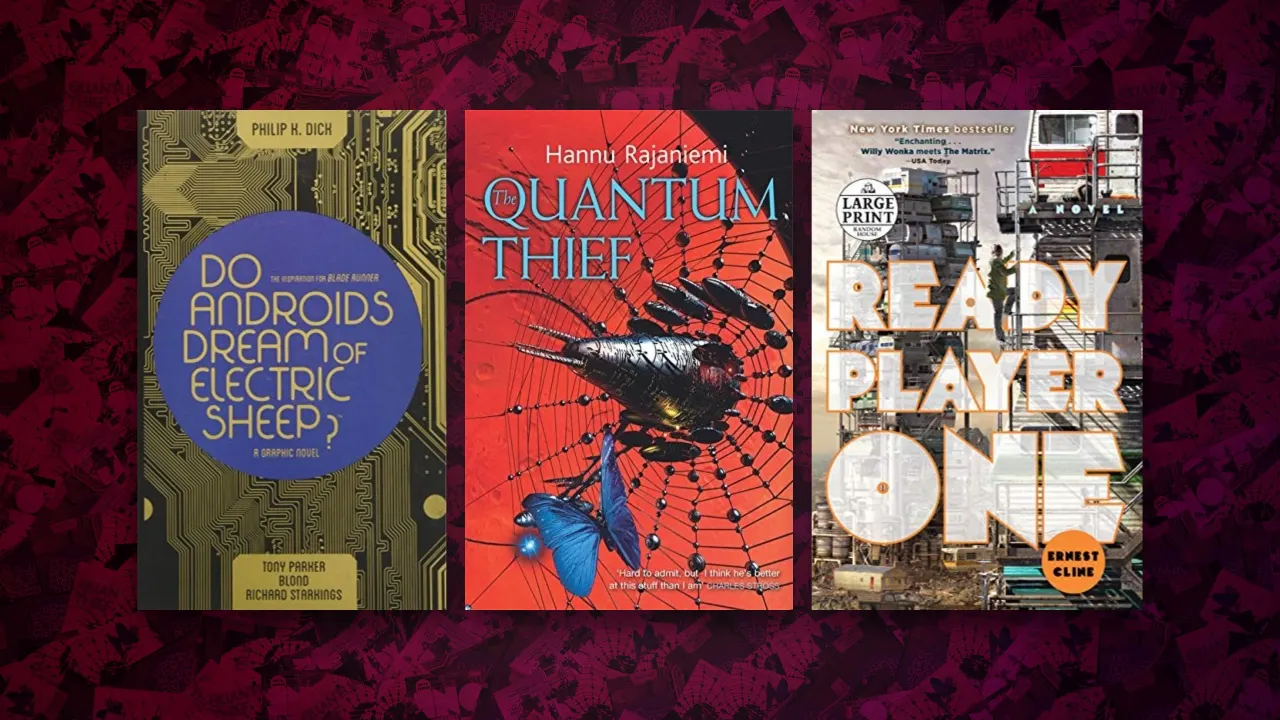
– Neuromancer: Gibson’s influential hacker-heist novel, set between cyberspace and future Japan. – Do Androids Dream of Electric Sheep?: Philip K. Dick’s stranger source novel for Blade Runner. – Snow Crash: Neal Stephenson’s satirical cyberpunk novel, which coined “metaverse”. – Altered Carbon: Richard K. Morgan’s transhuman detective story about immortality and inequality. – Jennifer Government: Max Barry’s corporate-power satire involving Nike, policing and murder. – The Quantum Thief: Hannu Rajaniemi’s transhumanist heist story set partly on Mars.
- Neuromancer’s television adaptation is due in January 2027.
- The selections explore hackers, AI, corporations and altered identities.
- Several recommended books inspired major screen adaptations.
New here? Start with this
Cyberpunk is a branch of science fiction that imagines futures shaped by powerful technology, vast companies and sharp divides between rich and poor. Its stories often follow outsiders such as hackers, detectives or criminals as they navigate cities where digital life and everyday life are closely connected.
William Gibson’s Neuromancer, first published in 1984, is one of the books most closely associated with the genre. It helped popularise the idea of “cyberspace”, while other writers explored related themes including artificial intelligence, virtual worlds, altered bodies and the power of global corporations.
Several of these novels have influenced films, television and modern discussions about technology. Philip K. Dick’s Do Androids Dream of Electric Sheep? inspired Blade Runner, while Neal Stephenson’s Snow Crash introduced the term “metaverse”; their imagined futures remain reference points as new screen adaptations are developed.