Here’s why you should think twice before storing your electronics in the garage
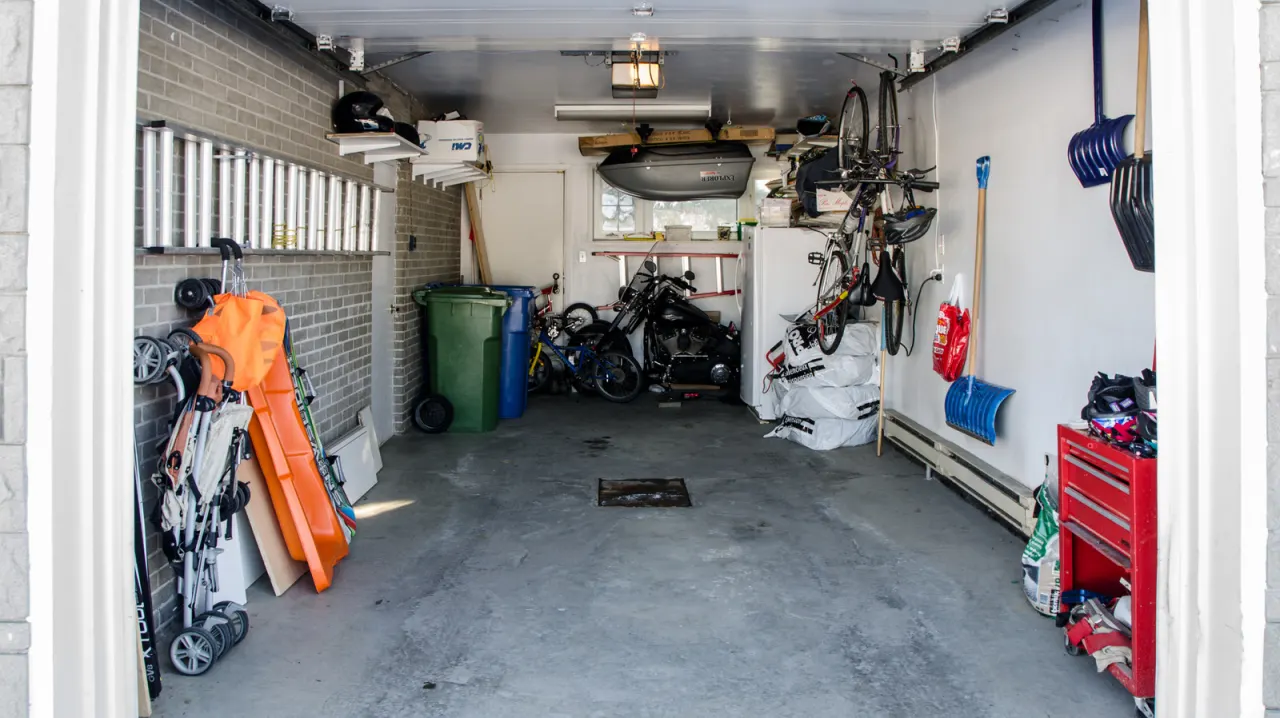
Storing electronics such as TVs, laptops or games consoles in the garage may seem convenient, but it can gradually damage them, according to Engadget. Most garages in the US lack climate control by design, partly because building codes discourage linking garage ductwork to home heating and cooling systems for carbon monoxide safety reasons, leaving these spaces exposed to extreme heat, cold and humidity that can corrode components and shorten device lifespans.
Uninsulated garages can run 10 to 18 degrees hotter than the outside temperature, creating a greenhouse effect that accelerates battery ageing, while humidity anywhere can corrode contacts and solder joints. The article recommends storing electronics in a climate-controlled space indoors instead, backing up data and charging batteries beforehand, and, if a garage is unavoidable, using sealed weatherproof bins with silica desiccant packs, elevating them off concrete floors, and monitoring temperature and humidity, particularly during extreme seasons.
- Uninsulated garages expose electronics to damaging heat, cold and humidity swings.
- Climate-controlled indoor storage is the safest option for devices.
- If using a garage, use sealed bins, desiccant packs and elevate off the floor.
New here? Start with this
Garages are often built without heating or cooling, so their temperature and humidity can vary more than those inside a home. In the US, safety rules intended to limit the spread of carbon monoxide help explain why garage air systems are generally kept separate from those serving the house.
Heat can speed up the ageing of batteries, while damp air can corrode electronic contacts and connections. These conditions may affect devices such as televisions, laptops and games consoles over time, so where they are stored can influence how long they last.
Both sides, in good faith
The strongest fair case each way — we don't pick a winner.
The case for
Garages present documented risks to electronics through extreme temperatures and humidity that corrode and degrade expensive equipment. These risks are easily avoided through indoor, climate-controlled storage, which most households can reasonably accommodate and which protects valuable devices from preventable damage.
The case against
Whilst environmental risks exist, the practical reality is that many households lack sufficient indoor space, making garage storage a necessary rather than elective choice. The article itself provides proven mitigation strategies—sealed containers, desiccant packs, elevation, monitoring—which render the risks manageable, and many people successfully employ these precautions.