Cinemark Joins AMC Theatres and Regal in Supporting Paramount-Warner Bros. Discovery Merger
Developed over time first seen 2 months ago
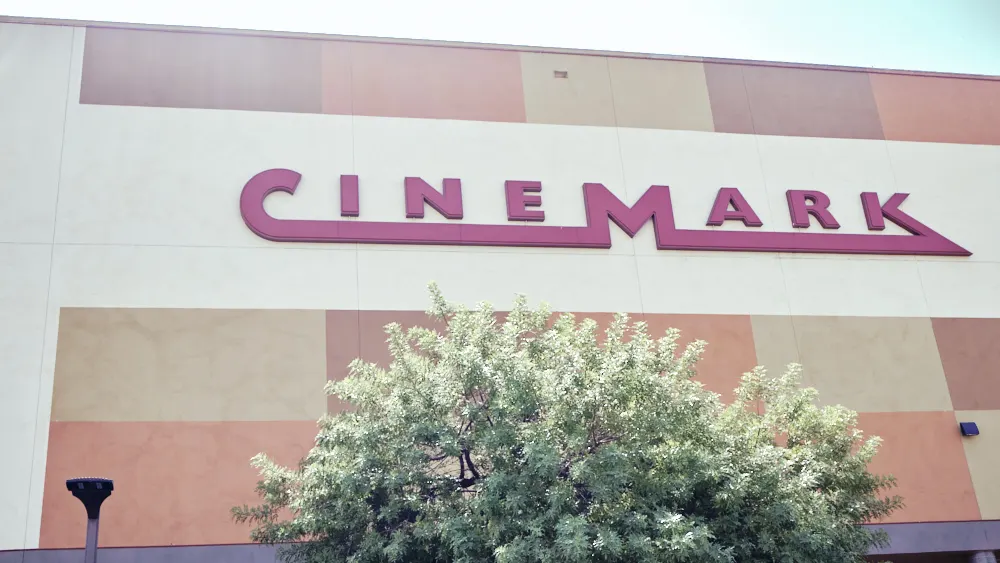
Cinemark has become the third and final major US cinema chain to back Paramount Skydance's proposed $111 billion (£87 billion) takeover of Warner Bros. Discovery, joining AMC Theatres and Regal in endorsing the deal. The move creates an unusual public split within the exhibition industry: while the three biggest chains now support the merger, their trade body, Cinema United, has continued to warn that consolidation could reduce the number of films released and put theatres at risk of closure.
Cinemark said it changed its stance after Paramount Skydance chief executive David Ellison pledged to release at least 30 films a year and honour a minimum 45-day theatrical window before titles move to streaming, commitments the studio has offered to formalise as written agreements and consent decrees with regulators. Cinema United, led by president Michael O'Leary, has cited the shrinking of combined film output after Disney's 2019 acquisition of 20th Century Fox as a cautionary precedent, and remains worried about disrupting the industry's post-pandemic and post-2023-strikes recovery. Despite these reservations, the group responded to Cinemark's announcement by calling on state attorneys general and Paramount to meet and discuss a settlement, and Cinemark said it was encouraged by "constructive dialogue" now under way between Paramount Skydance and Cinema United.
- Cinemark backs Paramount-Warner Bros. Discovery merger, joining AMC and Regal.
- All three major US cinema chains now support the $111 billion deal.
- Trade body Cinema United still wary but seeks settlement talks with regulators.
New here? Start with this
Cinemark, AMC and Regal are America's three biggest cinema chains, and together they control most of the country's screens. Paramount Skydance and Warner Bros. Discovery are two major Hollywood studios that make and distribute films; they have proposed merging in a deal worth around $111 billion. Whenever a big studio merger is proposed, cinema chains and regulators pay close attention, because studios decide how many films get made and how they are released to theatres versus streaming.
Cinema United is the trade body that represents cinema owners across the industry, including the big chains. It has previously voiced concern that combining two major studios could lead to fewer films being produced and, in turn, financial strain or closures for cinemas that rely on a steady supply of releases. State attorneys general, who enforce competition law in the US, are also involved because mergers of this size typically need regulatory approval before they can go ahead.
The story matters because it shows how the interests of individual cinema chains can diverge from those of their own trade association, and how commitments a studio makes about future film output and release timing can shape whether the industry supports or opposes a merger of this scale.
Both sides, in good faith
The strongest fair case each way — we don't pick a winner.
The case for
Supporters of the merger, including Cinemark, argue that a negotiated settlement offering concrete, legally enforceable commitments is more valuable to exhibitors than continued opposition to a deal likely to proceed regardless. Binding pledges of at least 30 films a year and a guaranteed 45-day theatrical window, formalised through written agreements and consent decrees, give cinemas a measure of certainty about content supply that informal assurances or protracted litigation would not. From this perspective, engaging constructively with Paramount Skydance allows the industry to shape safeguards from a position of influence rather than risk being sidelined once the merger closes.
The case against
Sceptics, including voices within Cinema United, contend that consolidation of this scale poses structural risks that individual corporate pledges cannot fully address, since commitments made by today's leadership are not guaranteed to survive changes in ownership, strategy or economic pressure. They worry that a smaller number of dominant studios could still lead, over time, to fewer theatrical releases and increased vulnerability for exhibitors, particularly smaller ones without the negotiating leverage of the largest chains. For this reason, they favour continued scrutiny from state attorneys general and durable, industry-wide protections over reliance on deal-specific assurances from the merging companies themselves.