Trump’s desperate move to stop looming midterm bloodbath as economic downturn tears through American households
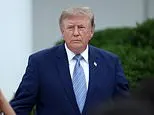
Donald Trump has moved to allow 300,000 tons of ground beef to be imported into the United States tariff-free over the next three months, in an effort to bring down food prices ahead of the November midterm elections. The intervention comes as Republicans face the prospect of heavy losses at the polls, with soaring living costs and inflation, worsened by rising fuel prices linked to the war involving Iran, threatening the party's traditional strongholds.
Trump announced the move in a Truth Social post, claiming a "commitment" that beef would sell at 25 per cent below current market prices, though he did not say which countries would benefit from the tariff waivers or who had agreed to the price cuts. The average price of uncooked ground beef reached $7.12 per pound in July, up 9.4 per cent on the previous year, according to official figures, while petrol prices have climbed to a national average of $4 a gallon, hitting Rust Belt swing states hard. Trump blamed his predecessor Joe Biden for the price rises, but Democrats argue his own tariff policies and the prolonged Iran conflict are deepening the cost-of-living crisis for American families.
- Trump allows tariff-free beef imports to cut soaring food prices
- Move aims to ease Republican losses in November's midterms
- Beef prices up 9.4% yearly; petrol near $4 a gallon
New here? Start with this
Donald Trump is the sitting president of the United States, and later this year Americans will vote in the midterm elections, held roughly halfway through his term. These elections decide who controls Congress, the House of Representatives and the Senate, which in turn affects how much of the president's agenda can become law. Historically, the party holding the White House tends to lose seats in these contests, making them widely seen as a verdict on how the administration is performing.
A central issue shaping this vote is the state of the economy, particularly the cost of living, wages, jobs and prices, which affects how ordinary households feel about their finances day to day. When people feel financially squeezed, they often hold the government of the day responsible, and this can translate into votes against the president's party at the ballot box. Economic conditions in the months before an election are therefore closely watched by political strategists on all sides.
This backdrop matters because any actions taken by the president or his administration in response to economic concerns are likely to be viewed through the lens of the coming election, with supporters and critics interpreting the same moves differently. Understanding this context, the timing of the midterms, the pattern of midterm losses for sitting presidents, and the role of the economy in voter sentiment, helps explain why economic news is being discussed alongside election prospects.
Business Culture Economy Elections Food Markets Middle East Politics World