I served as Trump’s NSA. SCOTUS need to stop courts putting the president’s security at risk
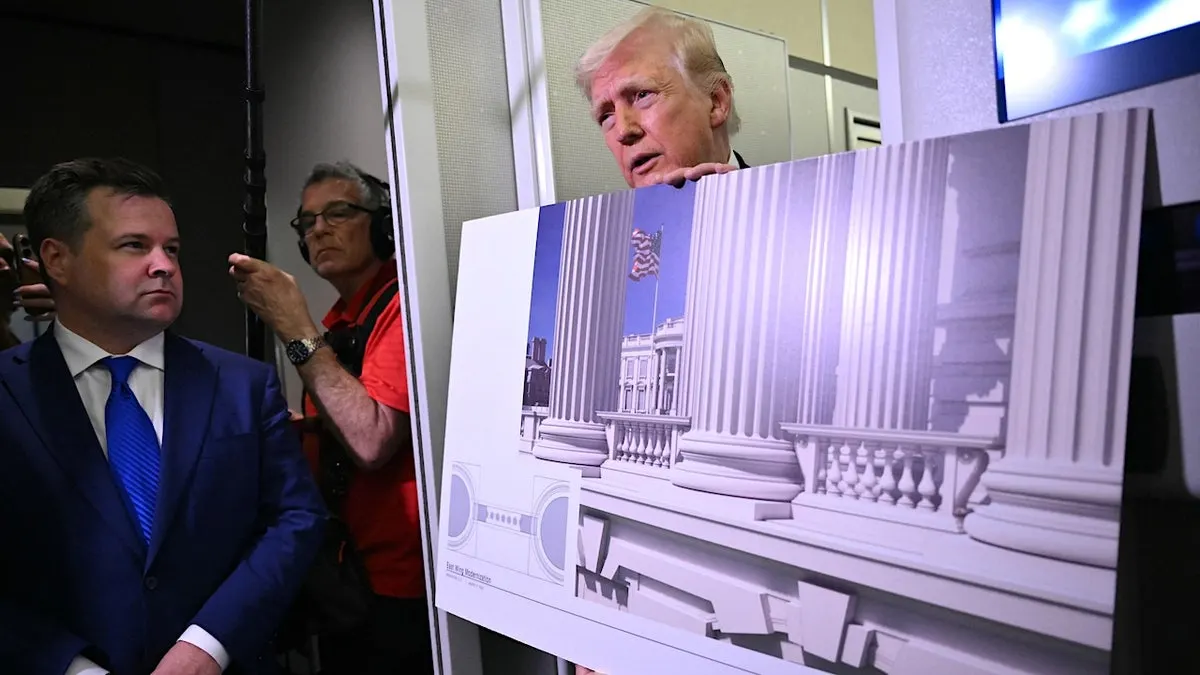
A former US national security adviser to Donald Trump has written an opinion piece arguing that the Supreme Court must intervene to stop lower courts from making decisions that, in his view, jeopardise presidential security. Drawing on his own experience of being rapidly evacuated during security scares while working at the White House, he frames the building as both a command centre and a target, and contends that courts do not adequately weigh these risks when ruling on matters affecting presidential protection and movement.
The author identifies himself as Trump's final national security adviser during his first term, having also served as special envoy for Hostage Affairs for two years before that role. The piece appears amid wider Fox News coverage of a Department of Justice Supreme Court petition concerning White House ballroom litigation, and references claims that Trump has become America's most targeted leader, facing threats every few months, though the article itself does not detail a specific court case or ruling prompting the appeal.
- Ex-Trump NSA urges Supreme Court to curb courts on presidential security
- Author recounts being evacuated during Oval Office security scares
- Piece ties into wider DOJ Supreme Court petition over White House ballroom
New here? Start with this
The national security adviser helps the US president assess threats and co-ordinate responses to them. The White House is both the president’s home and a centre of government, so security decisions can affect where the president works and how they move.
The author served as Donald Trump’s national security adviser near the end of his first term, after working on hostage affairs. His argument concerns how courts should consider presidential security when deciding cases that could affect White House operations or the president’s movements.
The issue matters because courts review government decisions, while the president’s protection is handled by security agencies. Disputes can arise over how to balance legal oversight with measures intended to protect the president.
Both sides, in good faith
The strongest fair case each way — we don't pick a winner.
The case for
The president must be able to function effectively and safely to discharge executive duties, and courts lack genuine expertise in assessing real-time security threats or understanding how their rulings might create operational gaps in protection. When lower courts rule on matters without adequate weight to security implications, they may impose constraints that sound legally sound but prove operationally dangerous—a burden no other official faces because none carries equivalent threat levels and security responsibilities. Asking the Supreme Court to provide clearer guidance on how security must factor into judicial reasoning is not about exempting the president from law, but about ensuring courts do not inadvertently cripple the executive branch's ability to protect itself and function.
The case against
The principle that no one, including the president, stands above judicial scrutiny is foundational to constitutional democracy and the rule of law. If courts defer to security claims whenever they arise, they surrender their checking function on the ground that security demands it—a rationale that history shows enables executive overreach. Courts need not be indifferent to genuine security needs and can accommodate legitimate protection measures, but they cannot allow security concerns to override judicial independence or become a blanket exception to legal accountability. Permitting those with the highest stakes to claim exemption from legal constraint converts the judiciary into an advisory body rather than a co-equal branch, weakening the constitutional architecture that protects all citizens.