Technology news and discussion on TalkFuse.
Tesla’s Door Handles Lead to Its Biggest Recall Yet
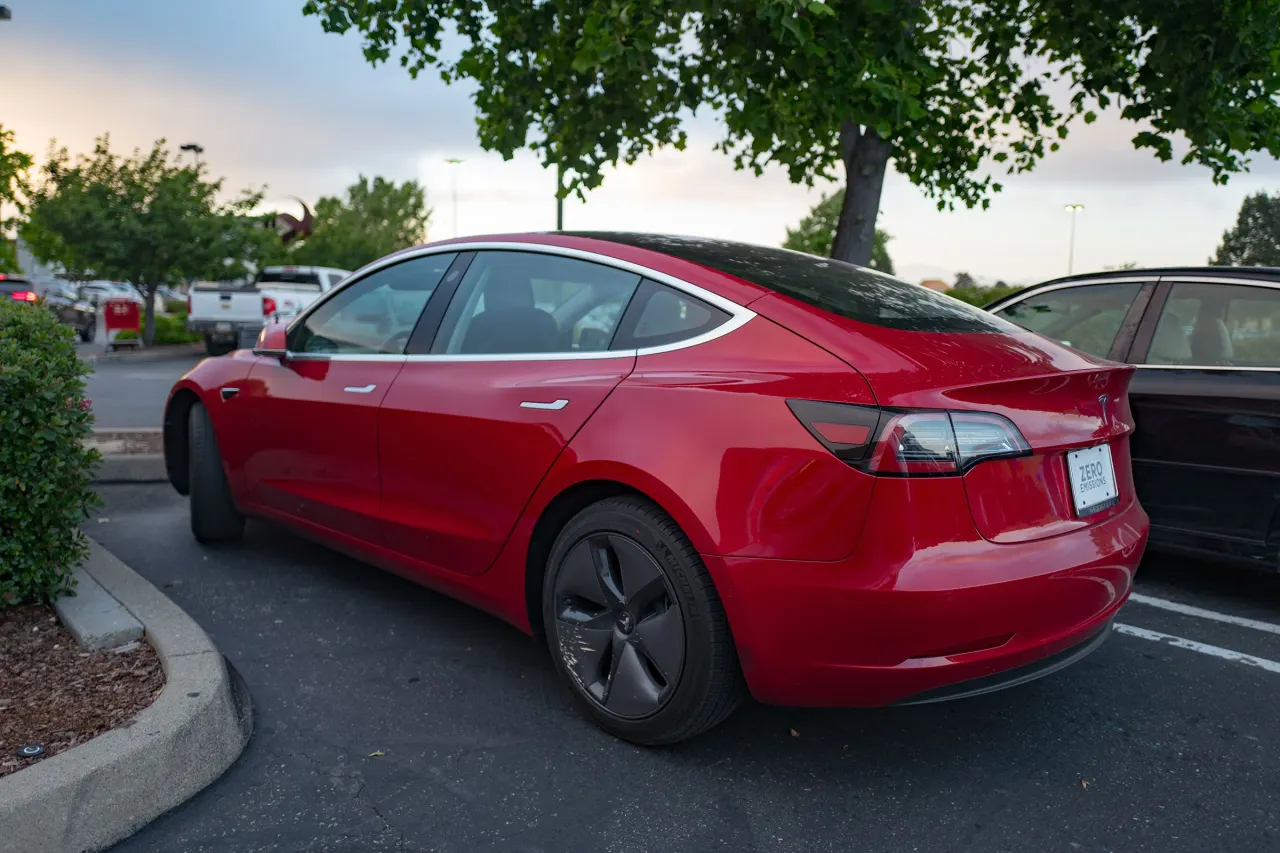
China's market regulator has ordered a recall of more than 2.9 million Tesla Model 3 and Model Y vehicles built in the country between 2019 and 2026, marking Tesla's largest-ever recall and China's biggest to date. The action targets the cars' electronic, flush-fitting door handles, which regulators and crash victims' families in both the US and China say can trap occupants and hinder rescue efforts after collisions, particularly when a vehicle's low-voltage battery fails and disables the electronic release.
Some affected vehicles will receive a free over-the-air software update that automatically lowers windows after a crash, while others will get free warning stickers to help occupants locate and use the mechanical backup handles, which are currently hard to spot as they blend in with the interior trim. Separately, China recalled over 1 million vehicles from eight domestic manufacturers, including Xiaomi and Geely, for similar door-handle concerns, and nearly 50,000 imported Tesla Model 3, S and X cars over inadequate driver monitoring during use of assisted steering. China has also introduced new rules that will soon ban fully retractable door handles outright, while US regulators are only beginning to examine the issue.
In short
- China recalls 2.9 million Chinese-built Teslas over risky electronic door handles
- Fixes include software updates and stickers marking backup mechanical handles
- China separately recalled 1 million+ other cars and 50,000 imported Teslas
Steelman: both sides, in good faith
The strongest fair case each way — we don't pick a winner.
The case for
Door handles that fail during crashes and trap occupants represent a critical safety defect demanding comprehensive correction. The involvement of crash victims' families and regulators across multiple countries indicates this is a systemic design flaw, not an isolated incident. When primary safety systems fail at their moment of greatest importance, swift and comprehensive remediation across all affected vehicles is the appropriate response to prevent further harm.
The case against
Whilst improving door handle reliability is important, these incidents appear statistically uncommon among millions of vehicles in operation, and each vehicle retains a mechanical backup system. A more targeted approach—improving driver awareness of mechanical backups, optimising the electronic system through software, and implementing focused corrections—could adequately address safety without imposing massive expense and disruption. Measured remediation can protect consumers whilst maintaining space for the engineering innovation that drives broader vehicle safety improvements.
Explained simply
Tesla’s Model 3 and Model Y use door handles that sit flat against the bodywork and open electronically. If a crash damages the low-voltage battery, the electronic release may stop working; the cars also have mechanical backup handles, but these can be difficult to find.
China’s market regulator oversees vehicle safety recalls, and its order covers cars built in China over several years. Other carmakers in China have faced recalls over similar handles, and new Chinese rules will ban fully retractable designs. The issue matters because people inside a crashed car may need to get out, while rescuers may need to open its doors.