Culture news and discussion on TalkFuse.
‘The Magic Faraway Tree’ Review: Wholesome, Harmless Family Movie Aims to Give Enid Blyton the Paddington Treatment
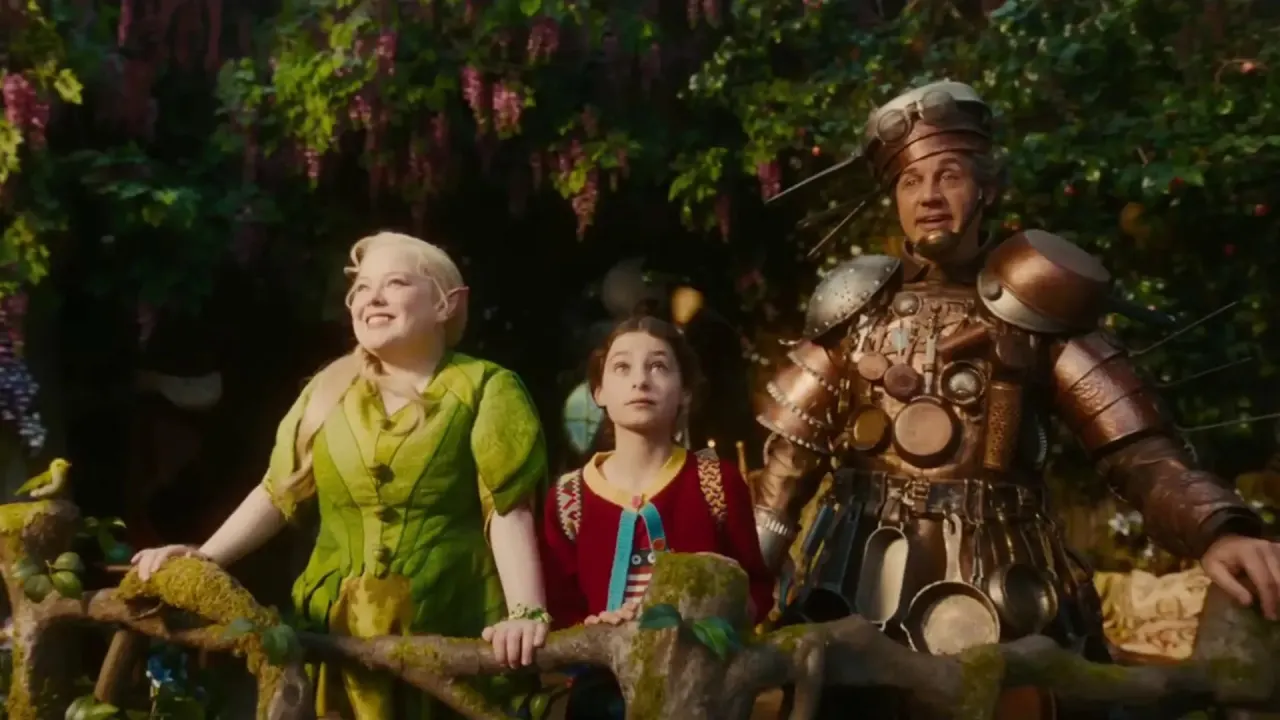
“The Magic Faraway Tree” is presented as a wholesome, carefully modernised family film based on Enid Blyton’s fantasy books, following an urban family whose move to the countryside reconnects them with nature, magic and one another. Its strong UK box office performance, reportedly surpassing Pixar’s “Hoppers”, has already led to two sequels being approved, suggesting commercial potential for further Blyton adaptations despite the author’s increasingly controversial reputation.
The review says the film borrows heavily from recent adaptations of “The Secret Garden”, “The Chronicles of Narnia” and especially “Paddington”, sharing writer Simon Farnaby with the latter series. It praises the film’s gentle tone and lack of obnoxious family-film excess, but argues it is overly cautious, insufficiently imaginative and surprisingly short on genuine laughs. Blyton’s work has fallen out of favour in some schools and libraries because of racist and regressive gender portrayals, though television adaptations have continued.
In short
- A gentle Blyton adaptation has become a UK box-office success.
- The review finds it pleasant but overly cautious and unfunny.
- Two sequels are already planned.
Steelman: both sides, in good faith
The strongest fair case each way — we don't pick a winner.
The case for
Enid Blyton's classic stories retain genuine appeal for modern audiences, as the film's strong commercial performance demonstrates, and carefully modernised adaptations can preserve the imaginative joy of her works whilst appropriately addressing their historical problems. Literature and important cultural figures should not be entirely erased from contemporary media because they held problematic views; instead, thoughtfully produced new versions allow audiences to experience beloved stories through a corrective modern lens without denying access to this cherished part of children's heritage.
The case against
Continuing to greenlight major studio sequels of Blyton's work risks commercially promoting an author whose racist and regressive gender portrayals led schools and libraries to distance themselves from her books in the first place. Resources for children's entertainment are finite, and prioritising further Blyton adaptations marginalises diverse contemporary voices whilst suggesting that commercial viability outweighs the legitimate concerns that have driven the author's declining use in educational settings.
Explained simply
Enid Blyton was a British children’s author whose fantasy books include The Magic Faraway Tree, about children who discover a tree with magical lands at its top. Her stories remain familiar to many readers, but some schools and libraries have moved away from them because of racist depictions and traditional views of girls and women.
The film follows a family moving from city life to the countryside, where the tree’s magic becomes part of their new life. It is one of several recent screen adaptations of older children’s stories, and its reception may influence whether more of Blyton’s books are made into films.
Culture Entertainment Fashion Film Health Medicine TV UK World