What is a VESA mount and how to know what type your TV has
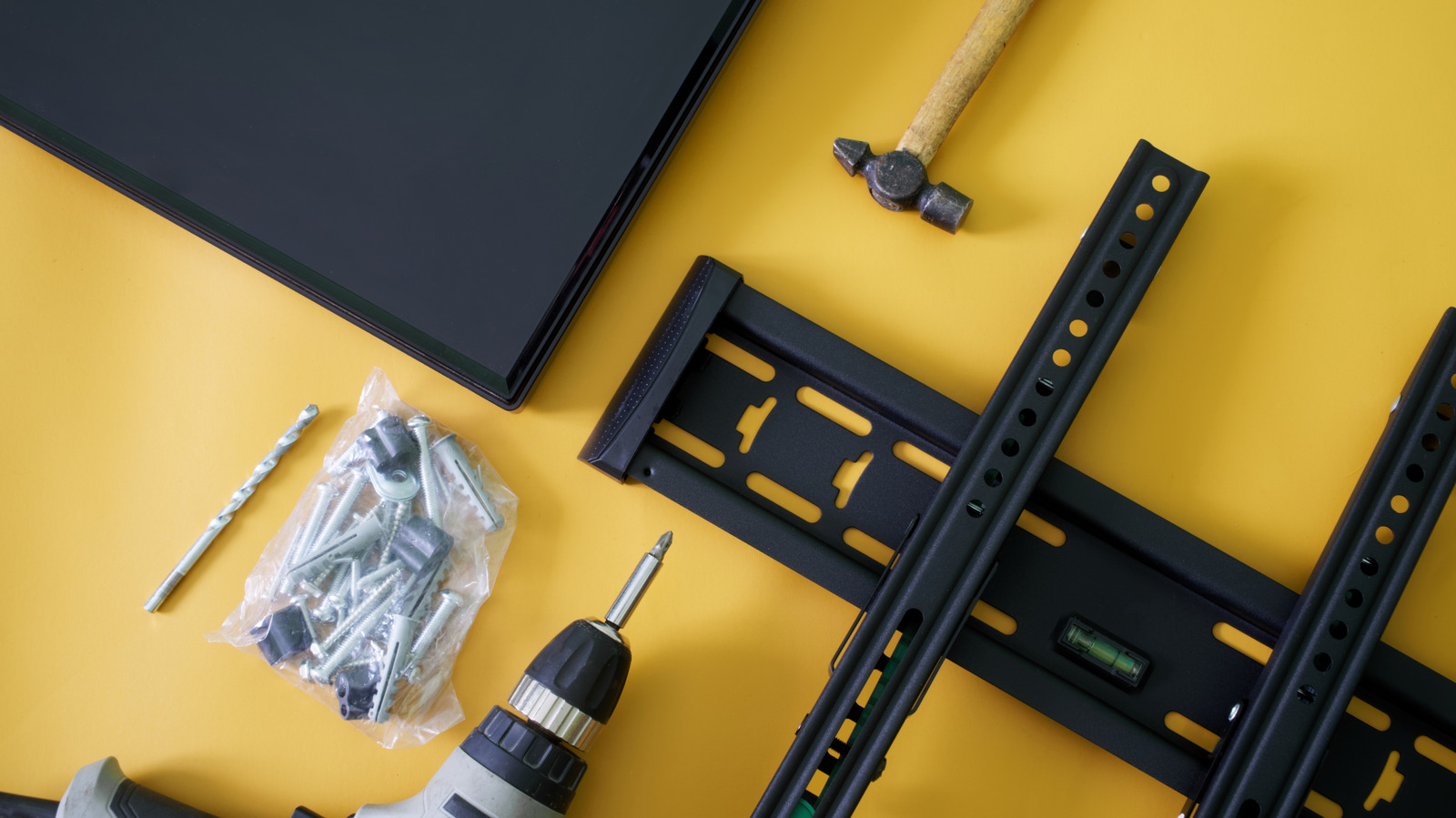
This explainer clarifies what a VESA mount is and why it matters when buying a wall bracket for a television. VESA stands for Video Electronics Standards Association, and a VESA size refers to the standardised spacing between the threaded mounting holes on the back of a TV, not its resolution or screen dimensions—understanding this helps buyers choose a compatible bracket rather than guessing.
The VESA pattern is expressed as two numbers in millimetres, horizontal by vertical, so a 400 x 200 pattern means the holes sit 400mm apart side to side and 200mm apart top to bottom; larger TVs tend to use larger patterns, but this isn't guaranteed by screen size alone. The most reliable way to find the correct figure is checking the manufacturer's manual or support page, though it can also be measured directly between hole centres. Many mounts support several VESA patterns, so an exact match isn't essential as long as the TV's pattern is listed as compatible—but buyers must still separately verify the mount's weight limit and required hardware, since VESA compatibility alone doesn't guarantee a bracket can safely hold a given television.
- VESA numbers describe TV mounting-hole spacing in millimetres, not resolution
- Check the manual or measure hole centres to find your pattern
- Matching VESA size isn't enough—verify the mount's weight limit too
New here? Start with this
The VESA mount system standardises where the screw holes sit on the back of a television, so that wall brackets from different manufacturers can fit different TVs. The term comes from the Video Electronics Standards Association, the body that set the specification. It's a measurement of hole spacing, not of screen size or picture quality, which is a common point of confusion when people shop for a bracket.
A VESA figure is given as two numbers in millimetres, covering the horizontal and vertical distance between the mounting holes, such as 400 x 200. Bigger televisions generally have wider hole patterns, though this isn't a fixed rule, so the only sure way to know a set's pattern is to check the manual or measure the holes directly. Many wall mounts are designed to accommodate a range of these patterns rather than just one exact size.
Getting the VESA pattern right matters because it determines whether a mount can physically be attached to a television at all. However, matching the hole pattern is only part of the job: buyers also need to check that a mount can bear the television's weight and comes with the correct fittings, since compatibility with the hole spacing alone does not guarantee the television can be safely and securely hung.