Why movie tie-in games are rarely sold anymore
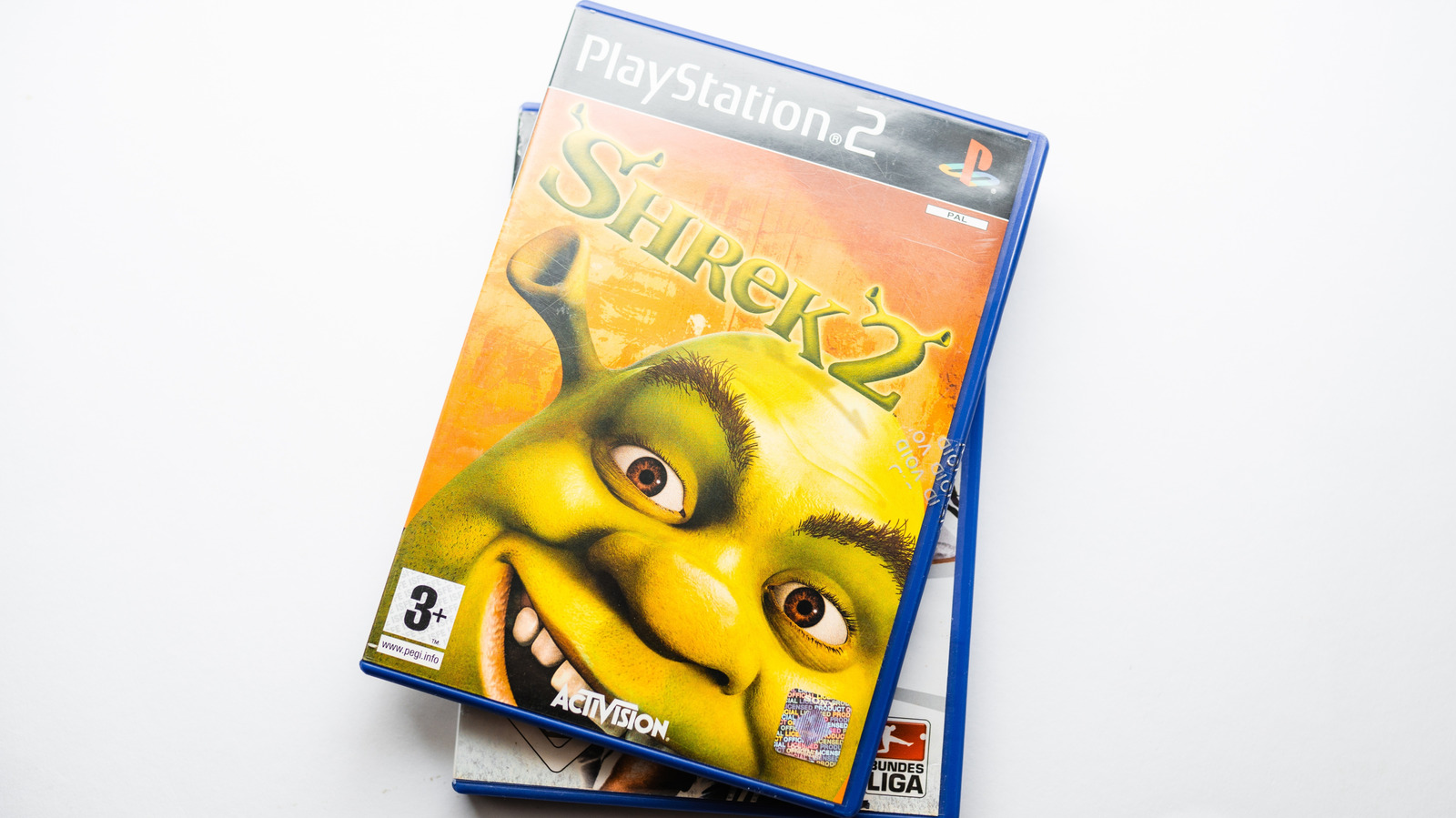
Movie tie-in video games, once a near-guaranteed accompaniment to any blockbuster film, have largely disappeared since the early 2010s. While a handful of projects persist, such as the popular Lego adaptations, the industry has moved away from mass-producing licensed titles in favour of smaller in-game crossovers, like Fortnite skins or Minecraft events tied to film releases.
The decline is driven chiefly by cost and time pressures: AAA game budgets have soared from around $40 million for Half-Life 2 in 2004 to roughly $300 million for Marvel's Spider-Man 2, while licensing deals and star likeness fees add further expense on top of rising financial risk from potential layoffs or studio closures. Compounding this, modern games typically take five to seven years to develop compared with a film's roughly two-and-a-half-year production cycle, making it near-impossible to launch a tie-in alongside its film, unlike in 1982 when the Raiders of the Lost Ark game took just ten months to make. Despite this, recent nostalgia-driven releases, including a remastered Lord of the Rings: War in the North and new Toy Story compilations, suggest occasional revivals remain possible.
- Movie tie-in games have almost vanished since the early 2010s.
- Soaring development costs and licensing fees made them financially risky.
- Games now take far longer to make than films, ruling out simultaneous releases.