Texas Gov. Greg Abbott moves to cut state funding for AI-powered Flock cameras amid privacy concerns
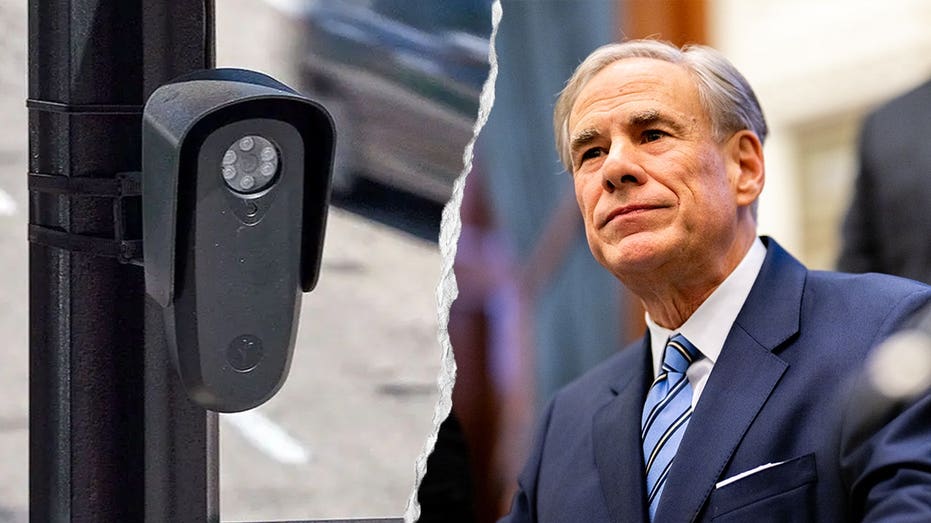
Texas Governor Greg Abbott has ordered state agencies to pause funding for Flock Safety’s AI-powered vehicle cameras, amid mounting concerns over privacy, data sharing and possible misuse. The move matters because Flock operates one of Texas’s most widely used automated number-plate reader networks, which law enforcement says helps find suspects and stolen vehicles but critics fear could enable excessive surveillance.
Abbott’s office said most camera funding comes from federal sources and that cities are increasingly ending Flock contracts; Pflugerville has voted to remove 28 readers, while Hood County plans to disconnect and remove three. Texas’s Motor Vehicle Crime Prevention Authority helped install more than 3,000 Flock cameras since 2023, funded partly through a 2023 law adding $1 to vehicle insurance policies to tackle catalytic-converter theft. Flock defended the technology as a public-safety tool and said it supports privacy, transparency and accountability safeguards.
- Abbott pauses Texas agency funding for Flock cameras.
- Cities are cancelling contracts over privacy concerns.
- More than 3,000 cameras were installed since 2023.
New here? Start with this
Flock Safety makes cameras that photograph passing vehicles and read their number plates automatically. Police forces and local councils can use the system to search for cars linked to reported crimes, missing people or stolen vehicles, often by checking where and when a vehicle was seen.
In Texas, thousands of these cameras have been installed with support from state and federal funding, including money intended to help tackle vehicle crime. Governor Greg Abbott leads the state government, while cities, counties and state agencies can make their own decisions about contracts and equipment.
Supporters say the cameras can speed up investigations and help recover stolen vehicles. Critics are concerned that records of ordinary drivers’ movements could be shared too widely, kept for too long or used beyond their original purpose, raising questions about privacy and oversight.
Both sides, in good faith
The strongest fair case each way — we don't pick a winner.
The case for
Pausing state funding is a prudent safeguard while Texas establishes whether a rapidly expanding camera network has sufficiently clear limits on data retention, sharing, access and oversight. Number-plate data can reveal sensitive patterns of movement, so supporters argue that public authorities should not subsidise a system capable of broad, persistent monitoring without robust democratic controls and demonstrable necessity. Local decisions to end contracts suggest that communities reasonably want a fuller assessment of privacy, mission creep and accountability before further expansion.
The case against
Continuing properly regulated funding can be justified because automated number-plate readers give police a practical means of locating stolen vehicles, pursuing suspects and addressing offences such as catalytic-converter theft. Supporters argue that the cameras record vehicles in public spaces rather than indiscriminately monitoring private lives, and that safeguards, audit trails and restricted access can address legitimate privacy concerns without discarding a useful tool. A statewide pause could deprive local agencies of an effective capability and make it harder to protect residents and recover property while policy questions are resolved.