Fox Hollow coroner reveals why he doubts suspected serial killer acted alone in hunt for answers
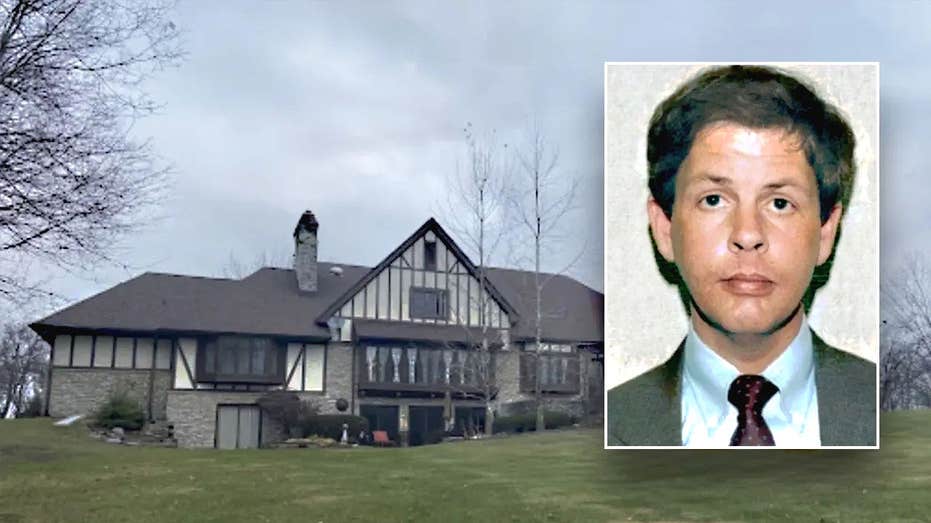
Hamilton County Coroner Jeff Jellison has renewed questions about whether suspected serial killer Herb Baumeister acted alone at Fox Hollow Farm, nearly 30 years after human remains were found there. Jellison says survivor Mark Goodyear has not been fully truthful in their conversations, and believes he may hold information that could help identify remaining victims and establish how they died.
About 10,000 burned and broken bones and bone fragments were recovered from Baumeister’s former 18-acre Indiana estate. Baumeister, who was suspected of luring men from Indianapolis gay bars to his home and killing them, died by suicide in Canada in 1996 before he could be arrested; Goodyear has never been charged and denies involvement.
- Coroner questions whether Baumeister had accomplices.
- Goodyear may hold information about unidentified victims.
- Thousands of remains were recovered at Fox Hollow.
New here? Start with this
Fox Hollow Farm was the former Indiana home of Herb Baumeister, a businessman suspected of killing men he met in Indianapolis during the 1980s and 1990s. Investigators found thousands of burned and broken human bone fragments on the property, but many of the people whose remains were recovered have never been identified.
Baumeister died by suicide in Canada in 1996, before police could arrest or question him about the case. This left investigators without a trial or a full account of what happened at the farm.
Mark Goodyear is a survivor who has said he escaped after meeting Baumeister, and his account helped draw attention to the property. He has not been charged with any crime and denies involvement, but the coroner believes further information from him could help establish whether anyone else played a part and what happened to the victims.
Both sides, in good faith
The strongest fair case each way — we don't pick a winner.
The case for
The coroner’s concern is understandable given the scale and condition of the remains, the unanswered questions about victim identities and causes of death, and the lack of any trial or full account from Baumeister. A surviving witness with close knowledge of the property may possess details that could assist identification, establish timelines, or clarify whether others were involved. Pursuing those leads reflects an obligation to victims and families not to treat an unresolved mass-fatality investigation as closed merely because the principal suspect died.
The case against
Suspicion should not be allowed to substitute for evidence, particularly where the person being questioned has never been charged and continues to deny involvement. Baumeister’s alleged conduct, access to the farm and apparent efforts to conceal remains can reasonably support the conclusion that he acted alone, while fragmented burned evidence may make certainty difficult without implying an accomplice. Publicly suggesting that a witness has been untruthful risks unfairly damaging his reputation unless investigators can point to specific, corroborated inconsistencies.