Muslim jail gangs said to force conversions on prisoners in UK: ‘Jihadist training camps’
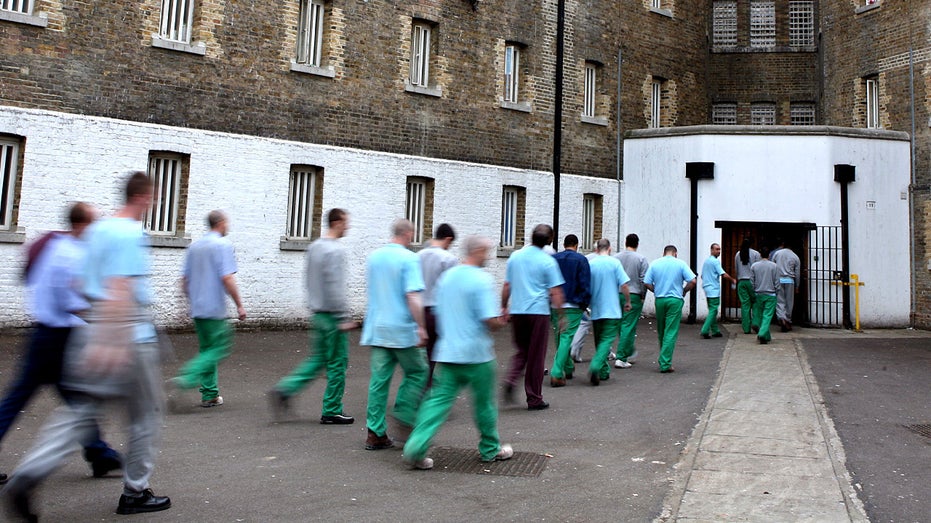
Reports allege that Islamist prison gangs in parts of the UK have intimidated inmates, including through pressure to convert to Islam. The claims have prompted Conservative calls for a government investigation, while the Ministry of Justice says most prisons show no evidence of gang-based extremism and that it is taking measures against radicalisation.
The article cites figures indicating that Muslims account for 18% of prisoners in England and Wales, compared with 6.5% of the general population, and quotes a Conservative politician who says one in five Muslim prisoners is white. It also refers to a 2022 independent review of terrorism legislation, which found evidence of some Islamist terrorist prisoners exerting influence, recruiting vulnerable inmates and supporting conversions through implied or actual violence.
- Reports allege coercive conversions in some UK prisons.
- Conservatives seek an investigation into Islamist gang influence.
- Ministry says most prisons lack gang-based extremism.
Both sides, in good faith
The strongest fair case each way — we don't pick a winner.
The case for
Supporters of an investigation argue that credible indications of coercion, extremist influence and recruitment in even a small number of prisons warrant urgent independent scrutiny. Prisons contain vulnerable people and are a setting in which intimidation can be especially difficult to report, so the state has a duty to establish the scale of any problem, protect prisoners’ freedom of religion and prevent violence or radicalisation. They stress that the concern is Islamist extremism and criminal coercion, not Islam or Muslim prisoners generally.
The case against
Opponents argue that broad claims about “Muslim jail gangs” risk stigmatising an entire faith community on the basis of limited or exceptional cases. If the Ministry of Justice finds no evidence of gang-based extremism in most prisons, policy should be guided by specific intelligence and existing counter-radicalisation work rather than rhetoric that may damage trust, worsen discrimination and obscure the many ordinary Muslim prisoners and staff. They support firm action against demonstrable coercion or terrorism, while insisting that voluntary religious conversion must be protected.