Unexpected ancient complex emerges near biblical city linked to Jonah and St Peter
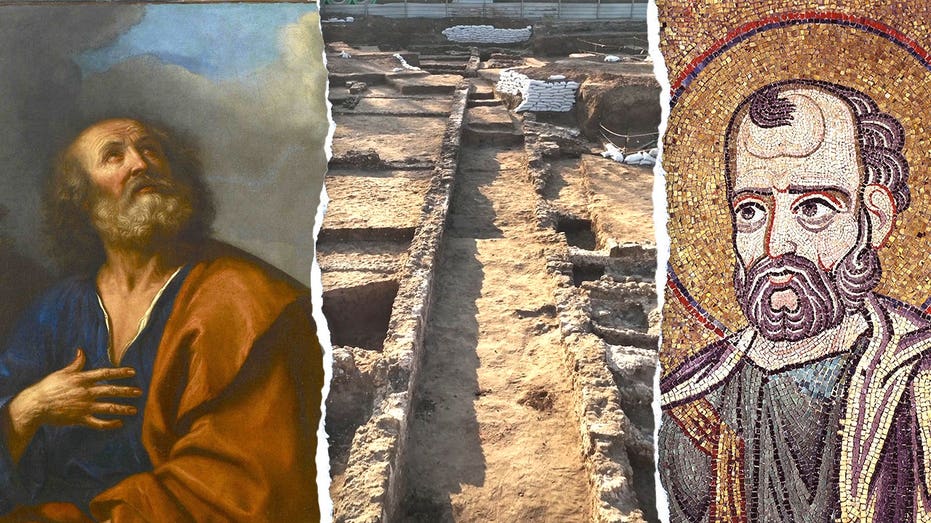
Archaeologists in Israel have uncovered a sprawling 1,300-year-old industrial and commercial complex in Ramat Gan, near Tel Aviv, during excavations ahead of construction of a new bus terminal. The site sat near a key ancient route linking Jaffa, Ramla and Jerusalem, close to biblical Joppa, which features in the stories of Jonah and St Peter, making the find significant for understanding trade and settlement patterns in the region during the early Islamic period.
The complex dates to the seventh or eighth century AD, spanning the Umayyad and Abbasid periods, and included planned streets, shops, warehouses, pottery kilns and industrial facilities, alongside bronze tableware, iron tools, coins and pottery and glass fragments. Excavation directors said it appeared to have been deliberately planned and possibly funded by regional authorities. It operated for around 150 years before being abandoned for unknown reasons, was resettled in the 10th century with new homes and clay ovens, then abandoned again in the late 11th century, shortly before the Crusaders arrived, and never resettled.
- 1,300-year-old complex found near Tel Aviv ahead of bus terminal build
- Site near biblical Jaffa included streets, shops, kilns and artefacts
- Occupied twice between the 7th and 11th centuries, then abandoned for good
New here? Start with this
The Bronze Age is long gone, but this discovery sits in a different chapter of the region's past: a busy settlement from the early Islamic period, roughly 1,300 years old, unearthed at Ramat Gan near Tel Aviv ahead of building work for a new bus terminal. It stood close to biblical Joppa (modern Jaffa), the port town associated with the stories of Jonah and St Peter, and near an important old road connecting Jaffa, Ramla and Jerusalem, which is why its location matters to historians studying trade routes of the time.
The complex itself was a working town, with laid-out streets, shops, warehouses and workshops including pottery kilns, plus everyday items like bronze dishes, iron tools, coins, and pottery and glass fragments. It was built during the Umayyad and Abbasid periods, two early Muslim dynasties that ruled the region in the seventh and eighth centuries, and archaeologists believe it may have been deliberately planned, possibly with backing from regional rulers.
What makes the site notable is its unusual life story: it thrived for about 150 years, was abandoned for reasons that remain unclear, was later resettled in the 10th century, and was abandoned again in the late 11th century, not long before Crusader forces arrived in the region, after which it was never lived in again.