Are all TVs at risk from burn-in? Here’s how to avoid the problem altogether
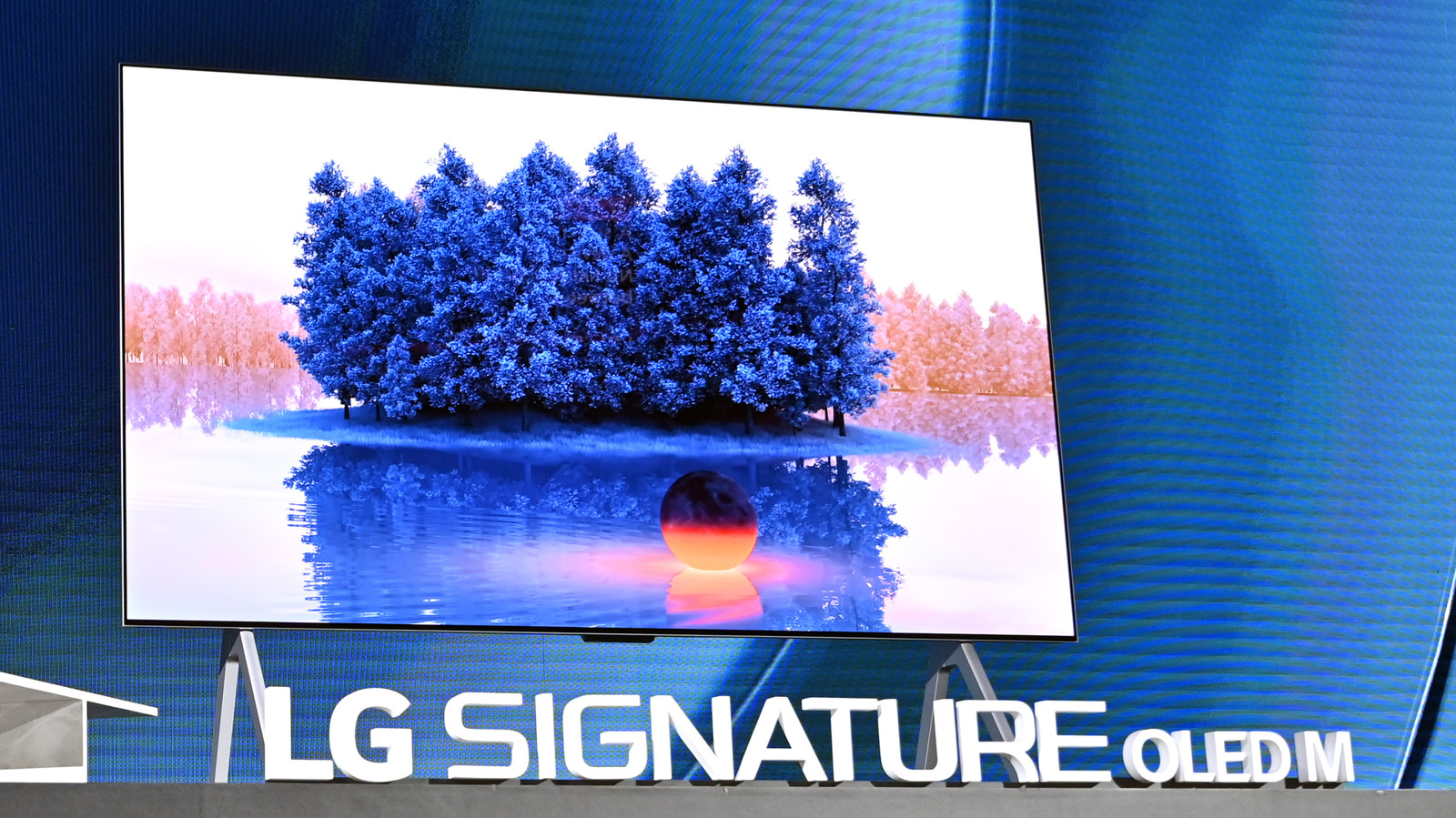
OLED TVs and monitors offer superior contrast and colour but carry a risk that budget LCD screens don't: permanent image retention, known as burn-in. This happens because OLED pixels generate their own light and wear out individually over time, unlike LCDs which use a uniform backlight, making the technology a trade-off worth understanding before spending heavily on a premium display.
Burn-in occurs when certain pixels dim faster than others due to uneven use, eventually leaving a persistent ghost image of frequently displayed content such as channel logos or on-screen game text. It is most likely to affect heavy users of static content, such as those who watch news or sports channels for hours daily, or gamers who play the same title for hundreds of hours. However, the process typically takes years to become visible and can largely be avoided by lowering screen brightness, since high brightness and heat accelerate the organic material's degradation, alongside simply turning the display off when not in use.
- OLED screens risk gradual burn-in from uneven pixel wear over time
- Static content like logos or game HUDs accelerates the effect
- Lowering brightness and switching off idle displays reduces the risk