59 Years Later, Leonard Nimoy’s Favorite Star Trek Episode Reveals a Whole New Spock
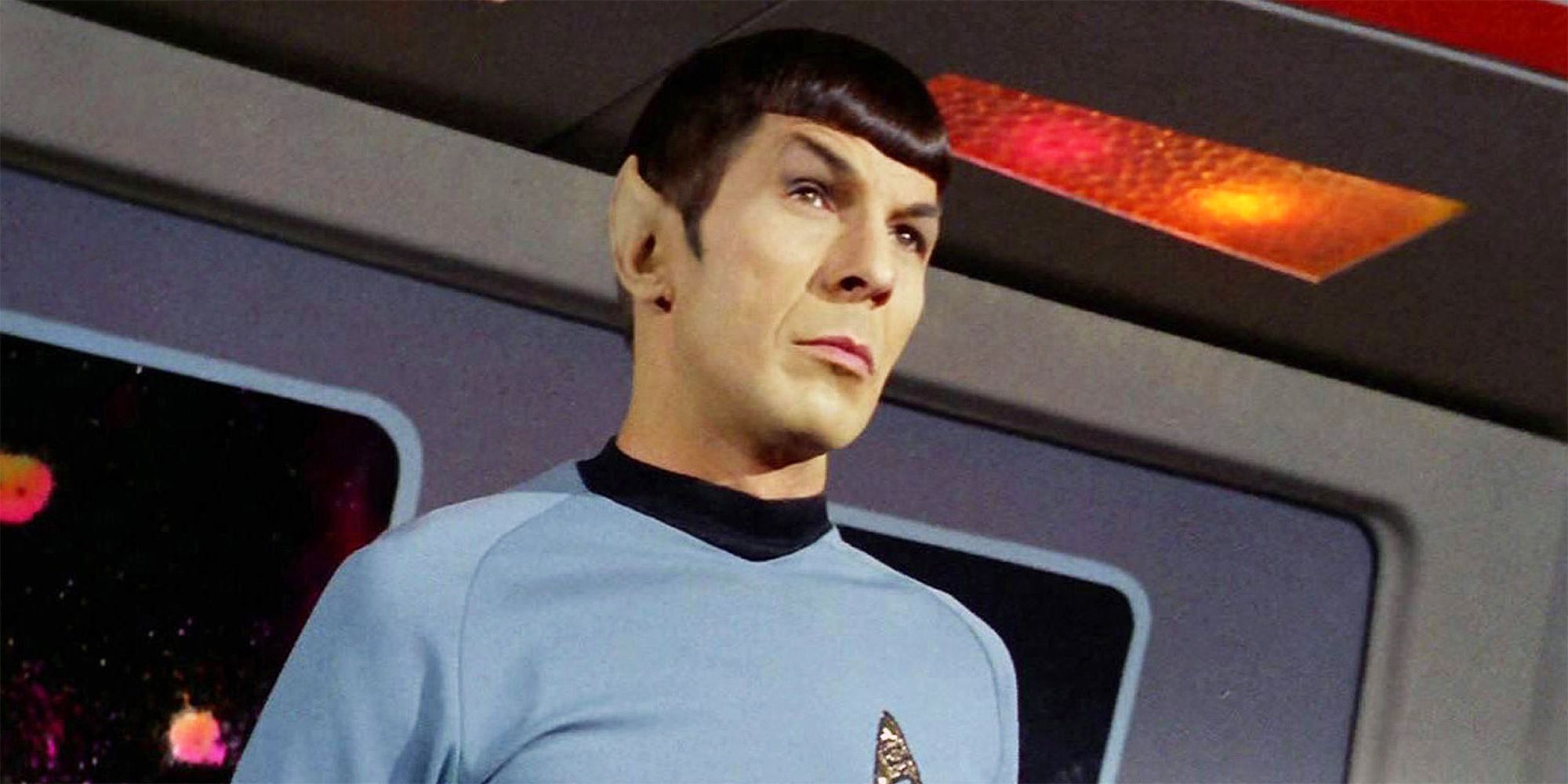
An article marking 60 years since Star Trek's 1966 debut highlights "This Side of Paradise," the episode Leonard Nimoy named as his personal favourite, arguing it offered a rare glimpse of a more human, playful side of the usually stoic Spock. The piece explains why the episode stands out within the wider run of Star Trek: The Original Series, which is celebrated for ranging from comedy to tragedy, and situates Nimoy's affection for it as a deliberate creative choice rather than a stray anomaly.
In the episode, the crew of the USS Enterprise discovers colonists on Omicron Ceti III alive despite lethal radiation, thanks to spores from native plants that also strip away inhibitions, causing Spock to fall for botanist Leila Kalomi and defy Captain Kirk's orders before Kirk provokes his anger to break the spell. The article contrasts this with other emotional Spock moments, such as "Amok Time" and "Plato's Stepchildren," noting those were involuntary or externally forced, whereas "This Side of Paradise" let Nimoy portray genuine joy and playfulness. It quotes Nimoy calling the episode "very special," saying it exposed "the complete child within" Spock, loving, picnicking and swinging in the trees.
- Nimoy named "This Side of Paradise" his favourite Star Trek episode
- Alien spores strip Spock's inhibitions, letting him show rare emotion
- Nimoy said the episode revealed Spock's playful, childlike inner side
New here? Start with this
Star Trek first aired in 1966, and the original series ran for three seasons, building a devoted following that grew long after it ended. Leonard Nimoy played Mr Spock, the half-human, half-Vulcan officer known for suppressing emotion in favour of pure logic, a trait that became central to the character's appeal. Actors and writers often returned to moments that tested or briefly broke that restraint, since they revealed a different side of an otherwise controlled character.
"This Side of Paradise" is a first-season episode in which the crew encounters colonists who have been altered by alien spores that remove inhibitions, leading Spock to briefly experience open emotion and affection rather than his usual detachment. Nimoy named it as his favourite instalment of the show, distinguishing it from other episodes where Spock's emotions surfaced through outside interference or distress rather than genuine happiness.
The story matters to fans and cultural historians because Star Trek's mix of tones, from humour to drama, is often cited as key to its lasting popularity, and Spock remains one of its most recognisable and analysed characters. Understanding Nimoy's own view of the role adds context to how the character was conceived and performed, six decades after the series began.