Chancellor warns of tough Budget as Iran war puts strain on economy
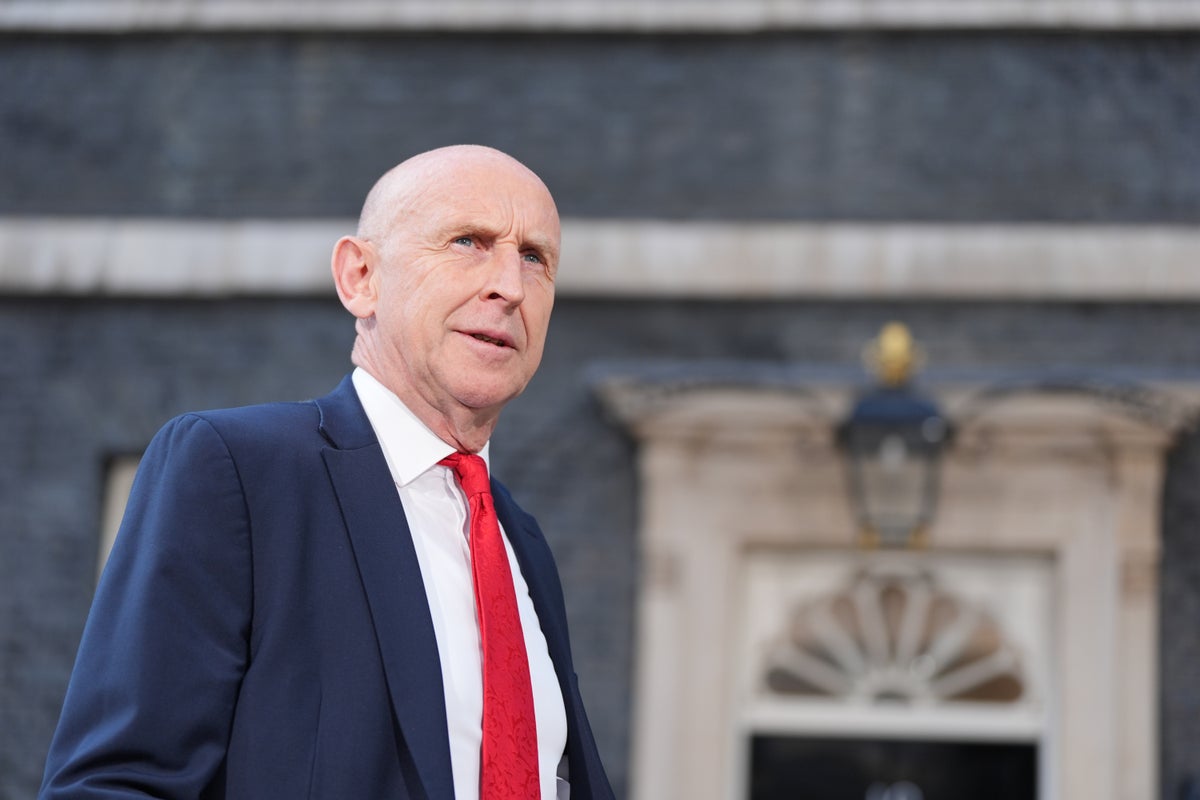
Chancellor John Healey has warned that the autumn Budget on 28 October will be tough, as the economic fallout from the US-Iran war continues to squeeze the UK's public finances. He told the Financial Times that the conflict is pushing up inflation, dampening growth and raising borrowing costs, following a sharp rise in government borrowing this week that reflected lender concerns about the war's inflationary impact. This matters because it threatens to erode the fiscal headroom Rachel Reeves built up in her previous Budget through tax rises and spending cuts, potentially constraining plans to tackle the cost-of-living crisis.
Healey said he and the prime minister remained "in lockstep" on meeting the fiscal rule requiring the Budget to reach surplus, excluding investment, by the end of the Parliament, though he declined to specify how much buffer he intends to maintain. He also confirmed the UK would meet its NATO commitment of 3.5% of GDP on defence spending by 2035, details of which will come at next year's spending review, but he has faced Conservative criticism for not recommitting to 3% by 2030. Separately, Healey announced changes to the Treasury's "green book" rules, lowering the discount rate from 3.5% to 3%, a move designed to make it easier to justify long-term investment in regional projects such as schools and roads, ahead of a wider economic speech he is due to give on Monday.
- Healey warns Iran war fallout is squeezing UK finances ahead of Budget
- Chancellor won't confirm size of fiscal buffer for 28 October Budget
- Treasury also easing rules to boost regional infrastructure investment
Both sides, in good faith
The strongest fair case each way — we don't pick a winner.
The case for
Supporters of the Chancellor's disciplined approach argue that sticking rigidly to the fiscal rule, even amid an external shock like the Iran war, is precisely what preserves the UK's credibility with lenders and keeps borrowing costs from spiralling further. They contend that relaxing fiscal discipline now, when inflation is already rising and gilt markets are jittery, would risk a much larger loss of confidence, higher rates across the economy, and a repeat of past episodes where markets punished perceived fiscal laxity. On this view, short-term pain through tax rises or spending restraint is the responsible price for long-term stability, and the promised defence spending timetable and green book reform show that discipline need not mean paralysis on investment.
The case against
Critics argue that treating a war-driven external shock as grounds for further austerity is the wrong response, since the inflation and borrowing pressure stem from geopolitics rather than domestic overspending, and squeezing public finances further risks deepening hardship for households already facing a cost-of-living crisis. They contend that fiscal rules are political choices, not laws of nature, and that some flexibility or increased borrowing during an exceptional, temporary shock would be a more humane and economically sound response than compounding the pain with cuts or tax rises. They also point to the slower defence spending path and delayed detail as evidence that firm commitments are being deferred rather than made, leaving both taxpayers and allies uncertain about the government's real priorities.