Charles Manson’s ‘Helter Skelter’ motive a myth? New tapes reveal what may have sparked Sharon Tate murders
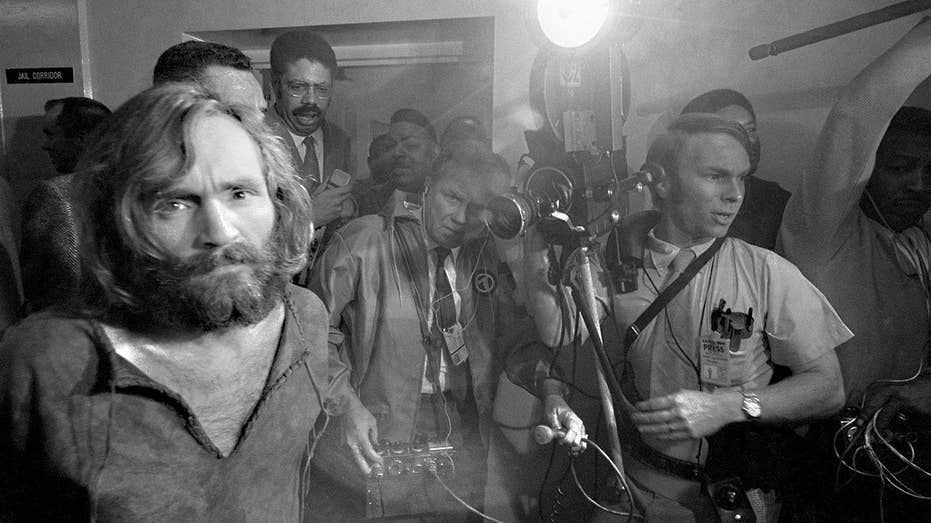
A new three-part Netflix docuseries, "Conversations with a Killer: The Charles Manson Tapes," challenges the long-standing "Helter Skelter" explanation for the 1969 Manson Family murders, using previously unreleased prison audio recordings of Charles Manson and some of his followers. Director Joe Berlinger argues that the killings of Sharon Tate and others were not primarily an attempt to spark a race war, as prosecutors claimed at trial, but rather a desperate effort to cover up a chain of escalating mistakes. The claim matters because it would revise the widely accepted motive behind one of America's most notorious crime sprees, reshaping how the case is understood more than 50 years on.
According to Berlinger, the chain of events began with a botched drug deal: follower Tex Watson stole money from a dealer, prompting Manson to shoot him in the mistaken belief he was a Black Panther seeking revenge, when in fact he was not affiliated with the group. Fearing Black Panther retaliation, Manson recruited a motorcycle gang for protection, who in turn pressured associate Bobby Beausoleil to recover money from music teacher Gary Hinman over a bad drug deal. This led to Hinman's torture and murder, during which Manson slashed his face with a sword; Berlinger contends the subsequent Tate-LaBianca killings were driven by a plan to free the arrested Beausoleil, rather than by any race-war ideology.
- Netflix docuseries uses new Manson prison tapes to question "Helter Skelter" motive.
- Director Joe Berlinger says killings stemmed from cover-ups of drug-deal mistakes.
- Chain began with a mistaken shooting, leading to Hinman's murder and Tate-LaBianca killings.
New here? Start with this
Charles Manson, the leader of a small commune known as the "Manson Family", was convicted for orchestrating the 1969 murders of actress Sharon Tate and several others in Los Angeles, as well as the killings of Leno and Rosemary LaBianca. At his trial, prosecutors argued Manson wanted to trigger "Helter Skelter", an apocalyptic race war he believed was coming, and hoped the murders would be blamed on Black people to help set it off. That theory has shaped public understanding of the case for more than 50 years.
A new Netflix docuseries, "Conversations with a Killer: The Charles Manson Tapes", draws on previously unheard prison recordings of Manson and his followers to put forward a different explanation. Filmmaker Joe Berlinger suggests the killings instead grew out of a series of unrelated, escalating incidents involving drug deals, a mistaken shooting and fears of retaliation, rather than any ideological plan.
The distinction matters because the "Helter Skelter" motive has long been central to how the Manson case is taught, discussed and dramatised. If the newly surfaced material points to a more mundane chain of events, it would mean one of the most infamous crime narratives in American history has been misunderstood for decades.
Art Celebrity Culture Entertainment Health Medicine TV World