Dan Schneider Loses ‘Quiet on Set’ Defamation Suit on Appeal
Developed over time first seen 2 months ago
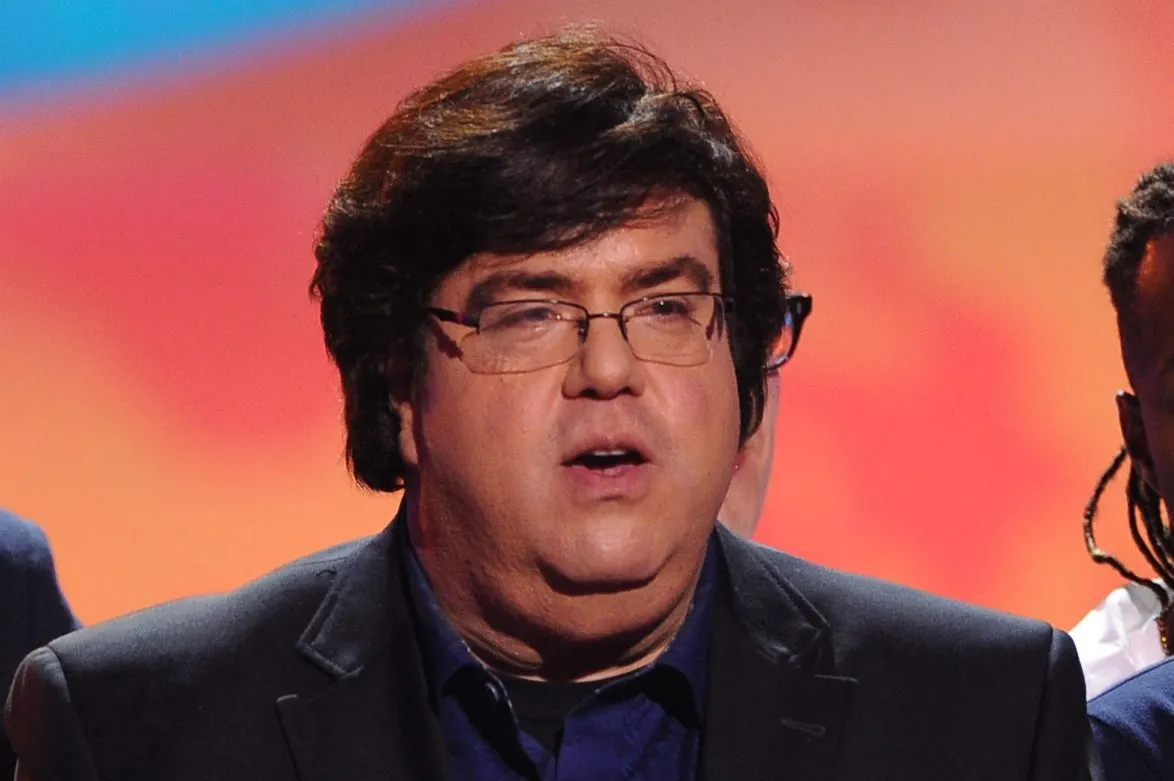
A California appeals court has unanimously rejected Dan Schneider's defamation lawsuit against the makers of "Quiet on Set," bringing the two-year legal battle to a close in favour of the documentary's producers. Schneider, the former Nickelodeon showrunner behind hits such as "iCarly" and "Drake & Josh," had sued in 2024 claiming the series falsely implied he facilitated or was responsible for child sex abuse committed by others. Although a lower court initially allowed the case to proceed, a three-judge panel overturned that ruling, finding the documentary clearly separated the "lamentable" but non-criminal misconduct attributed to Schneider — such as harassment and toxic workplace behaviour — from abuse explicitly attributed to named perpetrators elsewhere in the film.
Writing for the panel, Judge Melanie Ochoa noted the documentary "affirmatively states" that Nickelodeon investigated Schneider and found no evidence of child sexual abuse, undercutting his argument that juxtaposed imagery created a false impression. The ruling, handed down under California's anti-SLAPP statute protecting speech on matters of public interest, is a win for Warner Bros. Discovery, Sony and producers Mary Robertson and Emma Schwartz. Schneider's attorney, Gerry Silver, said he was disappointed and was "evaluating options" for further appeal, while Robertson and Schwartz welcomed the decision as a protection for filmmakers, noting the series was recently cited in bipartisan congressional legislation on child actor protections.
- Sources
- 2
- Outlets
- 2
- Left · Centre · Right
- 0 · 0 · 0
In short
- Appeals court unanimously rejects Dan Schneider's defamation suit over "Quiet on Set"
- Judges say documentary distinguished Schneider's misconduct from named abusers' crimes
- Schneider's lawyer says he may seek further appeal
How this story developed
- 2 months ago A California appeals court has unanimously rejected Dan Schneider's defamation lawsuit against the makers of "Quiet on Set," ruling that the documentary did not defame the former Nickelodeon producer by implying he was a child sex abuser.
- 2 months ago A California appeals court has thrown out Dan Schneider's defamation lawsuit against the makers of "Quiet on Set," the documentary that examined toxic and abusive behaviour on Nickelodeon children's shows.
- 2 months ago A California appeals court has unanimously rejected Dan Schneider's defamation lawsuit against the makers of "Quiet on Set," bringing the two-year legal battle to a close in favour of the documentary's producers.
Full account
Dan Schneider has lost his defamation lawsuit against the makers of the documentary series "Quiet on Set: The Dark Side of Kids TV", after a California appeals court ruled that the programme did not defame him by implying he was complicit in child sexual abuse. The former Nickelodeon showrunner had initially cleared an early hurdle when a Los Angeles Superior Court judge declined to throw out his case, but a three-judge panel of California's Second District Court of Appeal unanimously reversed that decision, siding with the documentary's producers and distributors under the state's anti-SLAPP law, which allows courts to swiftly dismiss lawsuits aimed at suppressing speech on matters of public interest.
Schneider, the creator of a string of Nickelodeon hits including "The Amanda Show", "Drake & Josh", "Zoey 101", "iCarly" and "Victorious", parted ways with the network in 2018 following allegations about his conduct on set. He filed suit in 2024 shortly after "Quiet on Set" aired on Investigation Discovery, arguing that the five-part series had falsely suggested he bore responsibility for, or had facilitated, abuse carried out by others, even though it stopped short of directly accusing him of the crime. His lawyers pointed to the way the documentary placed descriptions of his workplace behaviour alongside images of him with young cast members, and to its exploration of two men convicted or accused of abusing child actors on his productions: dialogue coach Brian Peck and production assistant Jason Handy. Schneider maintained he had no knowledge of, and no part in, their conduct, and at the time described the documentary as a "hit job" that had destroyed his reputation; he later issued a video apology for behaviour he called embarrassing, though not for abuse.
In its written opinion, the appeals panel found that the documentary drew a clear line between the toxic workplace culture, harassment and inappropriate conduct attributed to Schneider by contributors, and the child sexual abuse attributed explicitly to named individuals. It noted that the series itself states that an internal investigation into Schneider's behaviour uncovered no evidence of child sexual abuse, and concluded that Schneider had failed to show he was likely to succeed on the merits of a defamation-by-implication claim. The judges said they would not strain to read an accusation of abuse into material that named other people as the perpetrators, effectively overturning the trial court's earlier refusal to strike the case.
The two accounts of the ruling differ somewhat in emphasis and detail. One report leans on the substance of the court's reasoning and Schneider's career background, naming Judge Melanie Ochoa as the opinion's author and detailing the specific imagery and allegations at issue. The other, citing Deadline, focuses more on the procedural history, noting that the original anti-SLAPP motion was denied by Judge Ashfaq G. Chowdhury in November 2024, identifying Maxine Productions as an additional defendant alongside Warner Bros Discovery and Sony Pictures, naming the appellate judges as Rashida Adams, Anne Egerton and Mark Hanasono, who heard arguments on 17 August, and detailing the Gibson Dunn legal team that took over the defence on appeal. That report also carries a statement from producers Mary Robertson and Emma Schwartz welcoming the decision as a protection for filmmakers' constitutional rights, and notes that Warner Bros Discovery did not respond to a request for comment, while the other cites the producers' statement referencing recent bipartisan legislation introduced in Congress to protect child performers.
Where outlets differ
From the full account, which is AI-written from the sources:
Source 1 (evidently Variety) attributes the written opinion to Judge Melanie Ochoa, while Source 2 (Deadline) names the panel that heard oral argument as Rashida Adams, Anne Egerton and Mark Hanasono, without mentioning Ochoa — the two accounts are not straightforwardly reconcilable on this point.
Deadline gives more procedural detail: it names the original trial judge (Ashfaq G. Chowdhury), the date and length of the ruling (a 37-page order), the date of oral argument (17 August), and lists the Gibson Dunn attorneys who argued the appeal.
Deadline lists Maxine Productions among the defendants alongside Warner Bros Discovery and Sony Pictures; Source 1 does not mention Maxine Productions by name.
Deadline includes reaction quotes: producers Robertson and Schwartz's statement (including a reference to bipartisan child-actor protection legislation introduced in Congress) and a note that Warner Bros Discovery did not respond to a comment request. Source 1 does not include these reaction details.
Source 1 gives more space to Schneider's television career and the specifics of the documentary's content (e.g. imagery of him with child actors), while Deadline emphasises the litigation's procedural journey and the legal teams involved.
The two sources use slightly different names for one alleged abuser — 'Jason Michael Handy' versus 'Jason Handy' — for the same person.
Steelman: both sides, in good faith
The strongest fair case each way — we don't pick a winner.
The case for
The documentary presented facts clearly, explicitly stated Schneider was cleared by investigation, and distinctly separated his misconduct from abuse by named individuals. Filmmakers cannot be held liable for every implication viewers might infer, and robust First Amendment protections for reporting on matters of public concern are essential to enable accountability journalism.
The case against
Despite explicit disclaimers, a documentary that juxtaposes someone with abuse allegations creates a false and damaging impression through its overall presentation and editorial choices. Filmmakers bear responsibility for the cumulative effect of their framing and visual language, and subjects deserve an opportunity to prove that editorial decisions created false implications about their conduct.
Explained simply
Nickelodeon producer Dan Schneider, known for creating shows including "iCarly" and "Drake & Josh," left the network in 2018 after complaints about his behaviour on set. In 2024, the documentary series "Quiet on Set" examined the culture around several Nickelodeon shows during that era, including allegations of misconduct by Schneider and, separately, child sexual abuse committed by other named individuals connected to the network. Schneider later sued the programme's makers for defamation, arguing the way the series was put together wrongly suggested he too had abused children.
The case involves the documentary's producers, Mary Robertson and Emma Schwartz, along with the companies behind it, Warner Bros. Discovery and Sony. Their defence rested partly on a California law designed to stop lawsuits being used to shut down speech on matters of public interest, a law often applied in cases involving journalism and documentary filmmaking. A lower court initially allowed Schneider's lawsuit to move forward before the dispute reached the appeals stage.
The case matters beyond Schneider himself, touching on how far documentary makers can go in depicting alleged wrongdoing without exposing themselves to defamation claims, and on wider efforts to protect child performers in the entertainment industry.