Stop wasting your Wi-Fi router’s USB port — try this instead
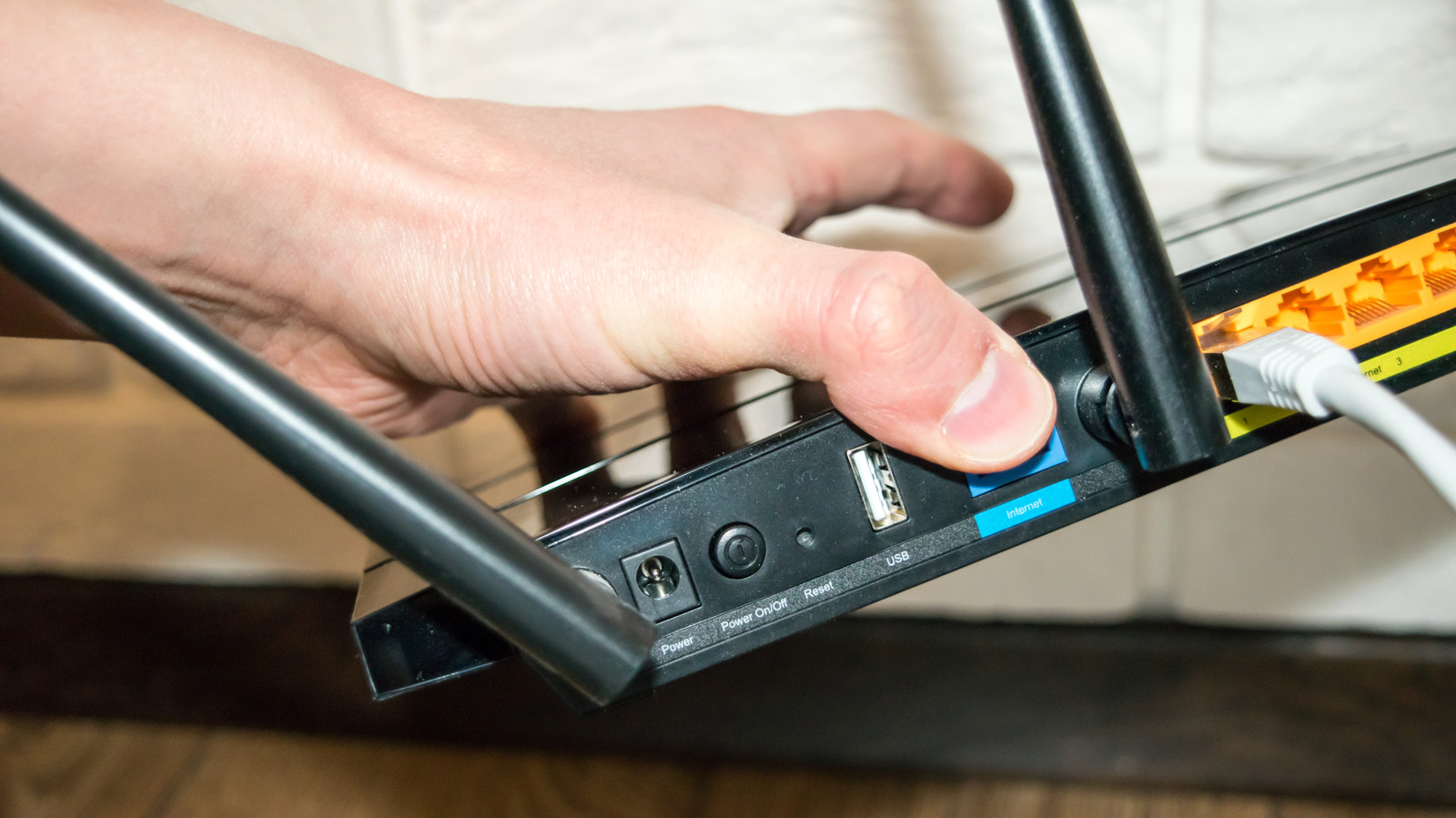
Many Wi-Fi routers include a USB port on the back that goes largely unused, despite offering several practical features once enabled through the router's settings. Because routers are essentially small low-powered computers, this port can transform a plugged-in device into shared network resources without needing extra hardware, making it a useful but often overlooked feature for home networking.
The port can turn a USB drive into a networked file server, accessible via SMB, Samba or FTP once enabled through settings labelled "File sharing" or similar; it can also enable wireless printing from an otherwise wired printer, though this may require manufacturer software such as Asus's EZ printer sharing app. Some routers additionally support cellular dongles or phone tethering via USB, providing a primary or backup internet connection (known as dual WAN failover) if the main ISP connection drops. Limitations include slower USB 2.0 speeds (up to 480Mbps/60MBps) on older routers, power issues with portable hard drives, and printer-sharing software typically only supporting Windows and macOS rather than mobile devices.
- Router USB ports can create file servers, enable printer sharing or backup internet.
- Enable via router settings; access files through SMB, Samba or FTP.
- Older routers' USB 2.0 speeds and power limits can hinder performance.
New here? Start with this
Wi-Fi routers – the small boxes that provide internet access at home – often have a spare USB port on the back that most people never use. Because a router is really a tiny, always-on computer, that port can do far more than just charge a phone if it's switched on through the router's settings menu.
Once enabled, the USB port can turn a plugged-in hard drive into shared storage that any device on the home network can access, let a wired printer be used wirelessly by several devices, or even let a mobile broadband dongle or phone provide a backup internet connection if the main one fails. These features already exist on many routers people already own, so the discussion is about making better use of equipment already sitting in people's homes rather than buying anything new.
There are some practical constraints, including slower data transfer speeds on older routers, occasional power supply issues with portable hard drives, and printer-sharing tools that tend to work with computers rather than phones or tablets.