‘An error of judgement’: Pro Ref admits mistake in awarding Haaland’s derby winner
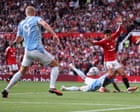
Pro Ref, English football's elite refereeing body, has admitted that Erling Haaland's winning goal for Manchester City in Sunday's Manchester derby should not have stood, conceding that the VAR made "an error of judgement" in allowing it. The goal, initially flagged offside, was awarded after VAR ruled that Enzo Fernández had not interfered with play as the ball passed him in the buildup, despite United defender Lisandro Martínez visibly reacting to his presence. The body has contacted Manchester United and confirmed it will formally review the incident.
Haaland struck in the 60th minute after Josko Gvardiol's cross deflected off Patrick Dorgu, passed Fernández and Martínez, before being finished by the City forward. Pro Ref said the VAR should have recommended an on-field review given Fernández's likely impact on the play. United manager Michael Carrick called the error "as obvious as it gets" and said he would welcome an apology, while City's Enzo Maresca insisted Fernández was not interfering. The match also featured Phil Foden's 23rd-minute red card for kicking Bruno Fernandes, which Maresca backed while suggesting Fernandes also deserved punishment; City sit second on 12 points, with United 13th on four.
- Pro Ref admits Haaland's derby winner should not have been given
- VAR wrongly ruled Fernández wasn't interfering with play
- Carrick demands accountability; City won derby, sit second in table
New here? Start with this
Manchester City beat Manchester United in Sunday's derby, with Erling Haaland scoring the winning goal in the 60th minute. The goal was initially flagged offside before VAR (video assistant referee technology) intervened and allowed it to stand, judging that City midfielder Enzo Fernández had not affected United defender Lisandro Martínez's ability to deal with the ball as it passed him. That decision has since become the centre of the row, with Pro Ref, the body that oversees English football's professional referees, now saying the VAR got the call wrong.
The dispute matters because it touches on how VAR decisions are made and reviewed after the fact, an issue that has repeatedly caused friction between clubs, managers and referees in English football. Manchester United's manager, Michael Carrick, and Manchester City's manager, Enzo Maresca, have given differing accounts of the incident, reflecting the clubs' opposing interests in the result. The match also included a red card for City's Phil Foden, adding a second flashpoint to a game that has drawn scrutiny from both sides.
Beyond the immediate argument over one goal, the episode feeds into a wider, ongoing debate about the reliability and transparency of VAR in the Premier League, and how refereeing bodies handle and communicate mistakes once games have finished.
Both sides, in good faith
The strongest fair case each way — we don't pick a winner.
The case for
Those who believe the goal should stand point out that VAR's mandate is to correct only clear and obvious errors, and that judging 'interference with play' when a ball merely passes near an offside player is an inherently marginal, subjective call rather than an obvious mistake. On this view, Enzo Fernández did not touch or actively engage with the ball, Josko Gvardiol's cross was already deflected by Patrick Dorgu, and Manchester City's manager Enzo Maresca is right to argue the officials made a reasonable, defensible reading of a genuinely borderline phase of play that should not be second-guessed after the fact.
The case against
Those who believe the goal was wrongly awarded argue that Lisandro Martínez's visible reaction to Fernández shows the United defender was plainly affected by his presence, meaning the VAR should at minimum have sent the referee to review the footage rather than rule unilaterally. On this view, Pro Ref's own admission that this was 'an error of judgement' vindicates Michael Carrick's complaint, and clubs are entitled to consistent, correctly applied offside standards along with a clear acknowledgement, and ideally an apology, when officiating directly decides the outcome of a major match.