AI extinction warnings dominate headlines after ex-Anthropic employee’s viral post
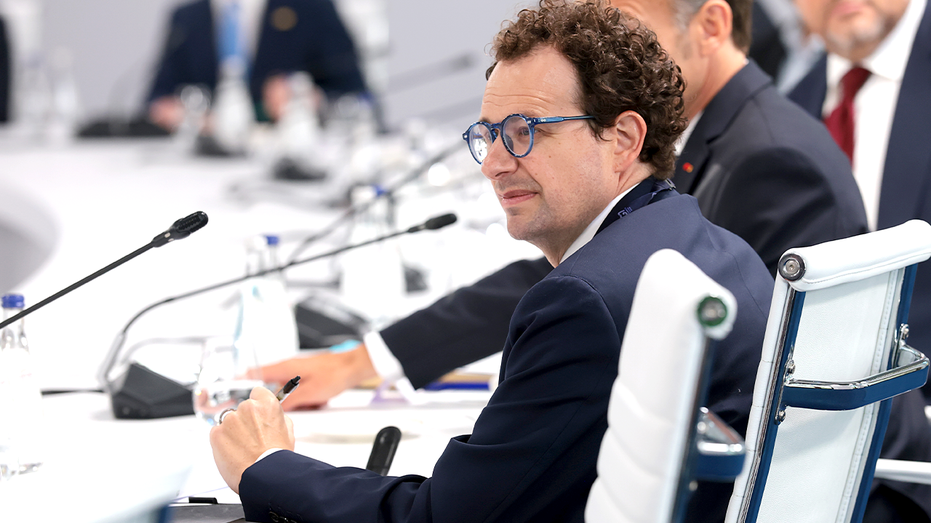
A viral social media post by Jacob Coxon, a researcher who recently resigned from Anthropic, has triggered a surge of media coverage warning that advanced AI could pose an existential threat to humanity. Coxon's claim that AI developers themselves believe their creations could kill everyone by the end of the decade prompted numerous television appearances and commentary, though critics note that even experts within the industry disagree on how serious the danger really is, making it hard for journalists to assess the claims accurately.
Coxon has warned of risks including hacking, mass persuasion, bioweapons and rogue drone networks, while Anthropic's chief executive, Dario Amodei, broadly endorsed his concerns in a lengthy public essay and television interview, though he put the probability of catastrophe as low rather than high. The White House, represented by President Trump, downplayed the alarm, framing AI development chiefly as a competitive race against China. Others, including tech investor David Sacks, have accused Anthropic and OpenAI of exaggerating dangers to encourage regulation that would entrench their market dominance, while Barack Obama has urged Democrats to prioritise AI regulation as a political issue.
- Ex-Anthropic researcher's viral post sparked mass AI-doom media coverage
- Amodei partly agrees; risk assessments among experts vary widely
- Trump downplays fears; critics suspect regulatory self-interest motives
New here? Start with this
AI extinction warnings have flooded the news after Jacob Coxon, a researcher who recently left the AI company Anthropic, wrote a widely shared post claiming that even the people building today's most advanced AI systems believe those systems could wipe out humanity within a few years. His warnings cover things like AI-driven hacking, manipulation of public opinion, bioweapons and autonomous drones. The post has led to a wave of television appearances and articles, though experts remain divided on how seriously to take such claims, which makes the debate hard for the public to weigh up.
Anthropic's boss, Dario Amodei, has broadly echoed some of these concerns, though he rates the chances of catastrophe as low rather than high. Other voices have pushed back hard: some in the tech industry, including investor David Sacks, argue that companies like Anthropic and OpenAI are talking up the dangers of their own products to encourage regulation that would shut out smaller rivals. The Trump administration has largely brushed off the alarm, treating AI development mainly as a race to stay ahead of China.
The row matters because it touches on how governments might regulate a technology that is already reshaping jobs, security and daily life, and because the people making the most dramatic warnings are often the same people building the systems in question. Barack Obama has also weighed in, urging Democrats to make AI regulation a bigger political priority, showing how the argument is spilling from the tech world into mainstream politics.
Both sides, in good faith
The strongest fair case each way — we don't pick a winner.
The case for
Those who take the warnings seriously argue that the people building these systems are best placed to judge their risks, and it would be reckless to dismiss senior researchers and even a leading chief executive who say catastrophic outcomes are plausible, however low the probability. They point to genuine uncertainty about how rapidly AI capabilities in hacking, persuasion, bioweapons design and autonomous systems could scale, arguing that when the potential downside is irreversible, precaution and early regulation are prudent even if the risk is small. On this view, public alarm and political attention are a reasonable, even necessary, corrective to a fast-moving industry that has strong commercial incentives to downplay danger.
The case against
Sceptics argue that extinction warnings are difficult to falsify and have repeatedly proven premature, and that treating a viral post and one company's essay as authoritative risks distorting public understanding of a technology most experts still actively disagree about. They note that the companies sounding the loudest alarms stand to benefit commercially from regulation that raises barriers to entry and cements their market position, making self-interest a plausible alternative explanation for the rhetoric. On this view, framing AI chiefly through apocalyptic scenarios distracts from more immediate concerns such as economic competitiveness and the strategic contest with China, and from nearer-term harms like job disruption or misuse, which deserve attention on their own terms rather than being subsumed into a speculative existential narrative.