What makes digital wallets safer than physical ones?
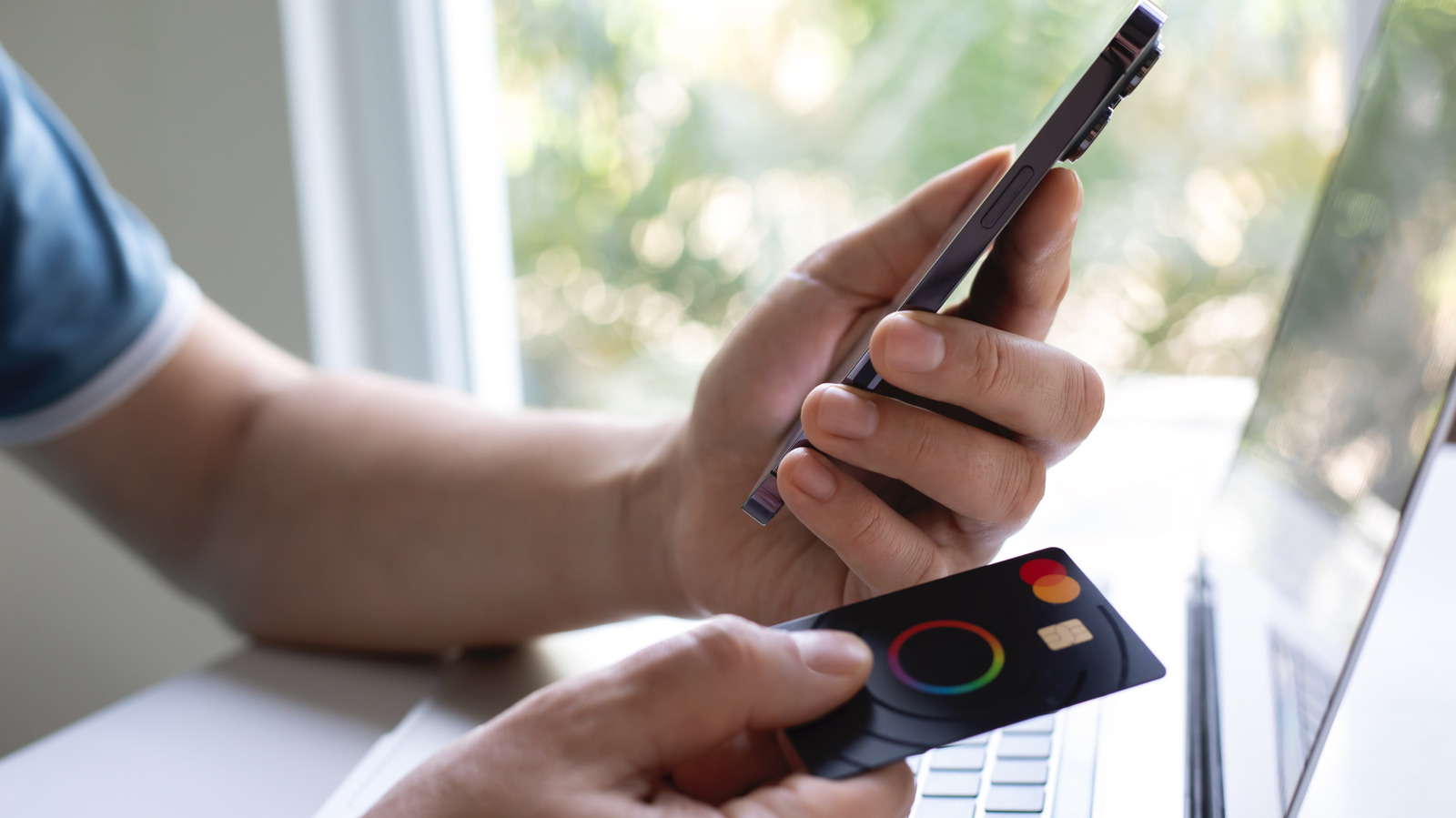
Digital wallets such as Apple Wallet and Google Wallet are often more secure than the physical cards they replace, thanks to layered protections including biometric authentication, tokenisation and remote deactivation. These features make it far harder for someone to use stolen card details, and mean that even a lost or stolen phone rarely puts payment information at risk. This matters because mobile payments are now widely accepted, so understanding these safeguards can help users decide whether to rely more on their phone than a traditional wallet.
Setting up services like Apple Pay requires a device passcode, with every transaction confirmed via Face ID, Touch ID or that passcode, while an Apple Watch needs its own PIN that stays active only while worn. Transactions use tokenisation, meaning a unique one-time code is sent instead of the real card number, reducing the risk from skimmers or data theft, and tools such as Find My or Google's Find Hub allow lost devices to have their digital wallet data wiped without needing to cancel the physical cards. Modern chip and tap-to-pay cards use similar tokenisation, but digital wallets avoid the temptation to fall back on less secure magnetic-stripe swipes, and also offer added convenience by letting users leave physical cards and documents at home.
- Digital wallets use biometrics, tokenisation and remote wipe for security.
- Lost phones can have wallet data erased without cancelling physical cards.
- Tokenisation hides real card numbers, reducing skimming and theft risk.