The safety and privacy concerns of storing your driver’s license in a digital wallet
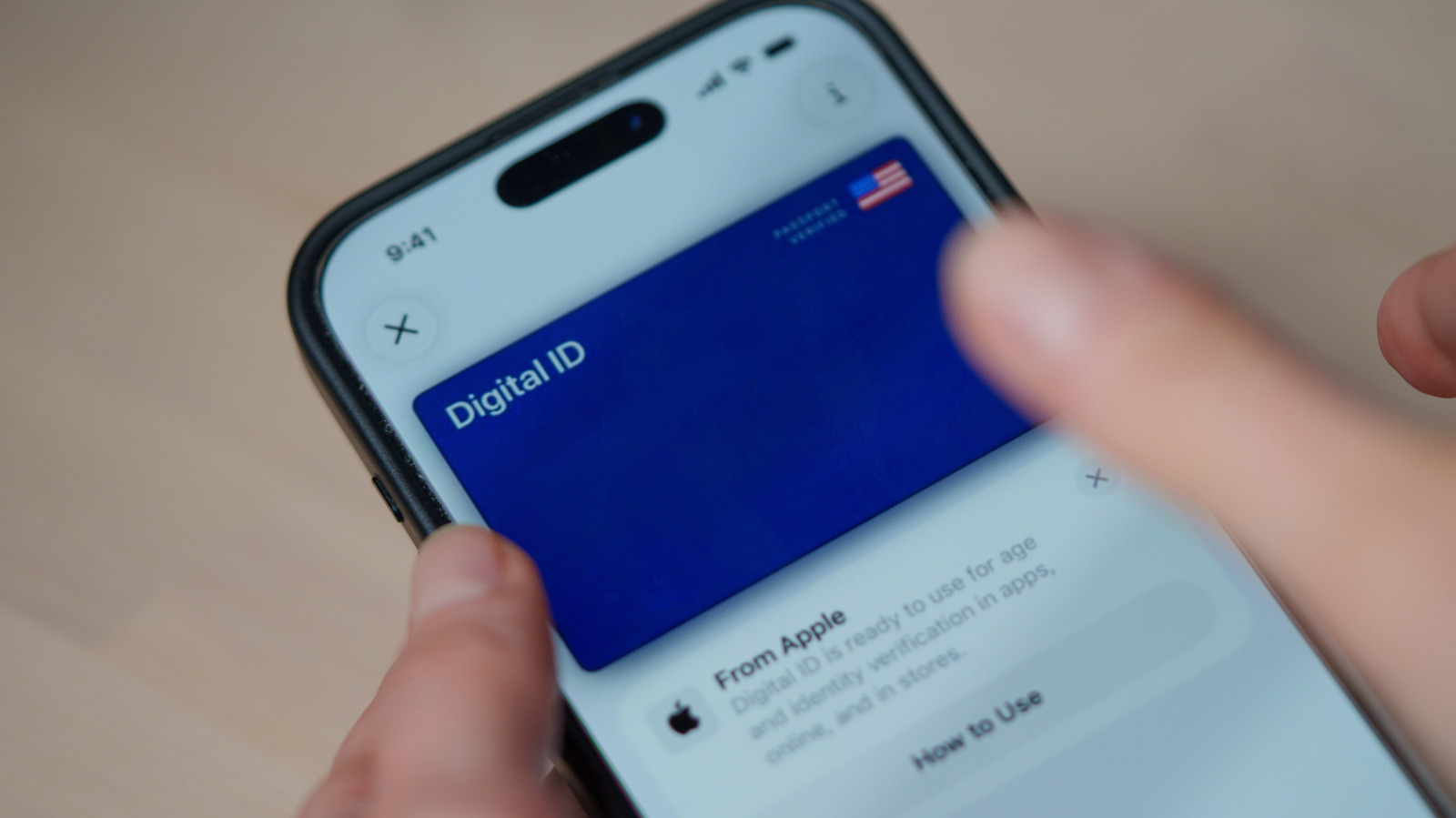
Storing a driver's licence in a digital wallet, known as a mobile driver's licence (mDL), can offer more privacy than a physical card because it uses digitally signed data rather than a photo of the ID, allowing selective disclosure such as confirming someone is over 21 without revealing their full birth date, address or licence number. Both Apple and Google add safeguards, including biometric authentication and encrypted, locally stored data, but these protections do not automatically make a digital licence safer than a physical one, and they do not guarantee what happens to the data once it leaves the phone.
Under the 2021 ISO/IEC 18013-5 standard, licences can be shared via "device retrieval," sending data directly to a reader, or "server retrieval," where the reader queries the issuing authority, which privacy groups such as the Center for Democracy & Technology warn could let issuers track when and where an ID is used. The American Association of Motor Vehicle Administrators banned server retrieval in 2025 and reaffirmed this in its July 2026 guidelines, though protections still depend on the specific standard, region and wallet design. Data retention practices also vary: Apple and Google Wallet disclose whether a requester intends to keep shared information, and some regions, such as New Jersey, have laws preventing organisations from demanding a phone or treating ID presentation as consent to search the device.
- Digital driver's licences can share less data than physical cards
- Server retrieval risks let issuers potentially track ID usage
- Legal and wallet protections still vary by region and provider