What are the downsides of robot vacuums?
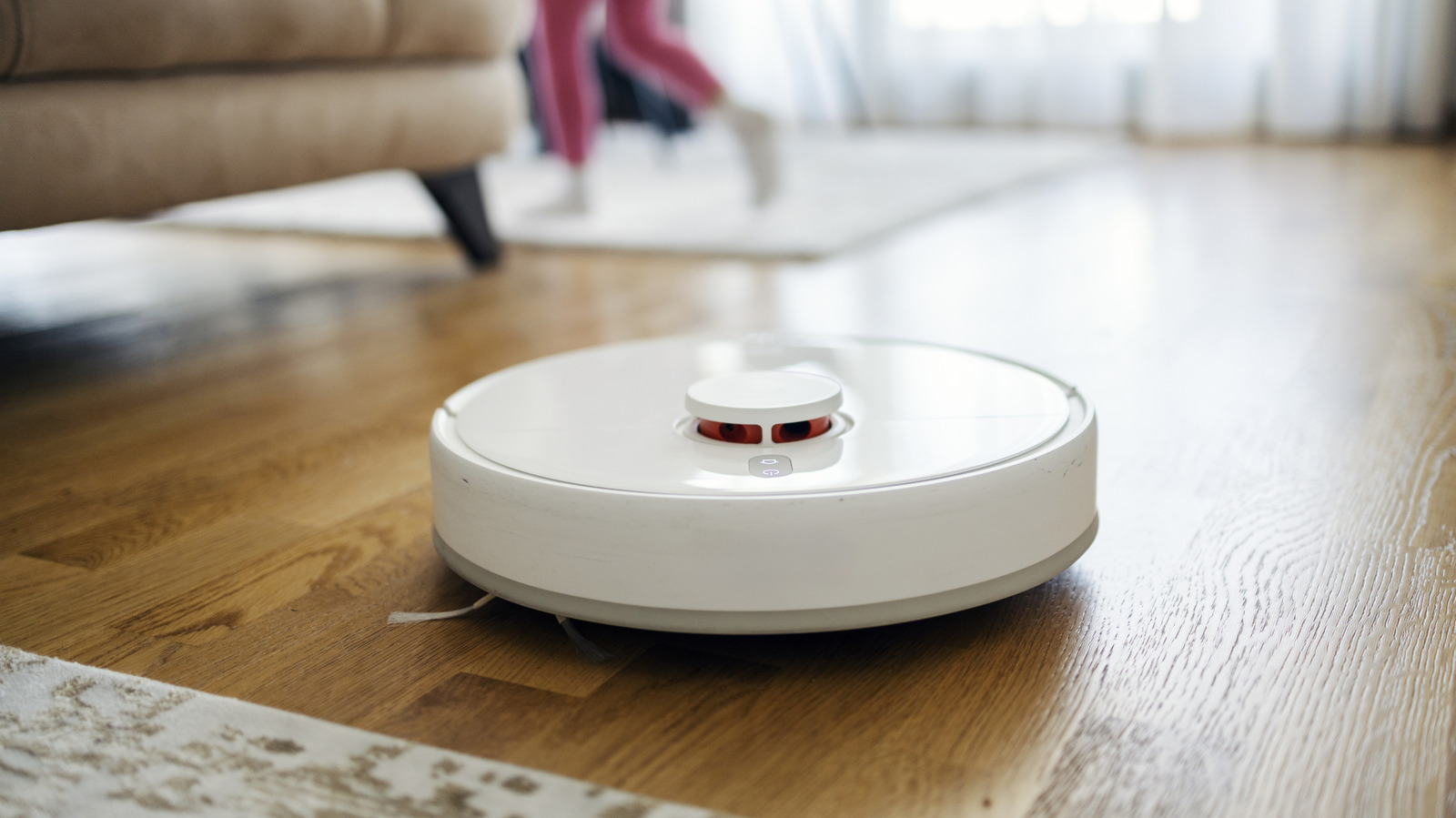
Whilst robot vacuums promise labour-saving convenience, they represent a fundamentally different cleaning solution rather than a true replacement for traditional vacuums or human cleaners. The article examines why these devices, despite their appeal, fall short in various practical situations and why purchasing an upgraded model doesn't solve all their inherent limitations. Understanding these downsides is essential before investing in a robot vacuum, as they may not suit every household's cleaning needs.
Robot vacuums struggle with several core challenges that conventional cleaners handle easily. They cannot move obstacles or access tight spaces, meaning chairs, toys, charging cables, and pet messes present genuine hazards; loose cables can wrap around brushes and halt operation entirely, whilst socks and lightweight rugs risk being sucked up or lost. Navigation varies by price—cheaper models use bump sensors requiring physical collisions, whilst expensive ones employ LiDAR and AI cameras—but even premium options cannot reliably overcome all obstacles. Additionally, robot vacuums perform poorly on thick carpets compared to powered floorheads, and they struggle when transitioning between different floor types such as tiles, wooden boards, and rugs. Corners remain a persistent problem due to their circular design, and pre-run floor preparation is necessary to prevent operational failure.
- Robot vacuums can't move obstacles or reach tight corners like human cleaners
- Loose cables, socks and rugs frequently jam or disable the device
- Poor performance on thick carpets and uneven floor types limits effectiveness